



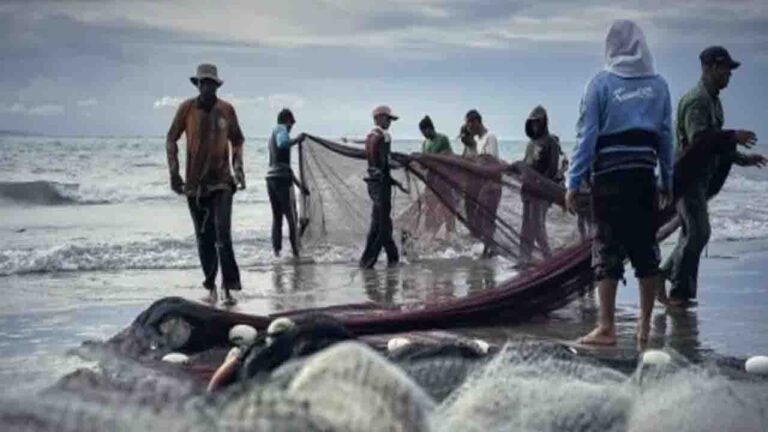
India’s Fisheries Revolution: NEW DELHI – India’s fisheries sector has undergone a massive sea change, emerging as a powerhouse for food security and jobs on the back of a record ₹39,272 crore investment since 2015.
The Union Ministry of Fisheries, Animal Husbandry and Dairying on Friday revealed that the country has now secured its spot as the world’s second-largest aquaculture producer. India currently contributes roughly 8% of the entire world’s fish output.
Production Surges, Livelihoods Secured
The numbers tell a story of rapid growth. Domestic fish production jumped from 141.64 lakh tonnes in 2019-20 to 197.75 lakh tonnes in 2024-25—maintaining a steady annual growth rate of about 7%.
This isn’t just about the catch; it’s about the people. The sector now supports nearly 3 crore (30 million) fishers and farmers at the ground level. When you look at the entire value chain, that number nearly doubles, providing a livelihood for millions of families across the country.
The Export Engine: Shrimp Leads the Way
Seafood exports have been a major success story for the sarkar. Over the last decade, export earnings have more than doubled:



- 2013-14: ₹30,213 crore
- 2024-25: ₹62,408 crore
Frozen shrimp remains the crown jewel of this basket, bringing in ₹43,334 crore alone. Today, India ships over 350 varieties of seafood to nearly 130 countries. The United States remains the biggest buyer, picking up over 36% of the total export value, followed by China, the EU, and Southeast Asia.
Modernizing the Matsya Sector
To move beyond just a few commodities, the government is using the Pradhan Mantri Matsya Sampada Yojana (PMMSY) to push high-value species like tuna, seabass, tiger shrimp, and even seaweed. The focus is shifting toward “value-added” products, which now make up 11% of exports, up from a mere 2.5% previously.
- To keep the wheels turning, the ministry is investing heavily in:
- Modern fishing harbours and cold-chain networks.
- Digital traceability systems to track the catch.
- The deployment of Turtle Excluder Devices on shrimp trawlers to meet international environmental standards.
Cutting Red Tape
In a move to help exporters, the government has digitised the Sanitary Import Permit system. By integrating it with the National Single Window System, the time taken for approvals has crashed from 30 days to just 72 hours.
India also secured a crucial “comparability finding” from US authorities in 2025. This ensures that Indian seafood continues to land on American shores without any regulatory hiccups regarding marine mammal protection.
Looking ahead, the roadmap for the next five years is clear: the government wants to build inland export hubs and aggressively expand India’s footprint in the UK, EU, and West Asian markets.