
NEW DELHI: The Supreme Court came down heavily on India’s Central Adoption Resource Agency (CARA) on Monday for creating bureaucratic hurdles in the inter-country adoption of a 12-year-old girl by her US-based maternal aunt and uncle. The court questioned why the agency was taking a negative stand and blocking a better future for children adopted by close overseas relatives.
The case involves a young girl who lost her mother two years ago. Following the tragedy, her US-based maternal aunt and her husband legally adopted her in India by performing ‘Datta Homam’ rituals under the Hindu Adoption and Maintenance Act (HAMA). However, the couple has since been caught in a legal deadlock between the inter-country adoption frameworks of India and the United States.
While the adoptive parents completed the necessary legal requirements through a US government agency, they were informed that clearance from CARA was required under the Juvenile Justice (Care and Protection of Children) Act.
The couple faces a strict deadline, as US authorities have stated their adoption approval is valid only until July 28, 2026. However, the US does not recognize adoptions under HAMA, viewing the procedure as legally unsafe under the ‘Hague Convention on Protection of Children and Cooperation in Respect of Intercountry Adoptions’.
Conversely, CARA’s office memorandum explicitly bars any adoption procedures under the JJ Act and Adoption Regulations, 2022, if the child has already been adopted under HAMA. Based on this rule, CARA rejected the couple’s application for approval under the JJ Act, leaving them with no administrative exit.



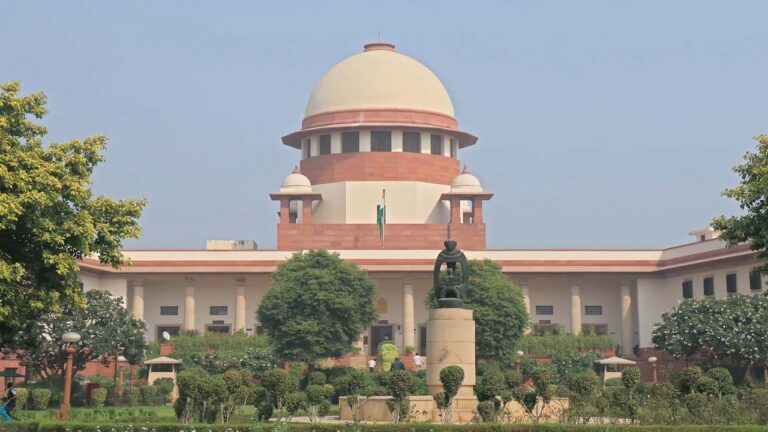
Advocates Noor Shergill and Anuja Pethia, representing the couple, presented this catch-22 situation before a partial working-day bench comprising Justices B V Nagarathna and Joymalya Bagchi. Shergill noted that the parents are trapped in a bilateral deadlock where India refuses to process the case under the JJ Act, and the US refuses to issue a Hague Adoption Certificate for a HAMA adoption.
Hearing the arguments, Justice Nagarathna strongly criticized CARA’s stance. “This is all bureaucratic red tapism. If after inquiry the HAMA adoption is found to be in order, what is the problem in issuing a no-objection by CARA?” the bench asked.
Justice Nagarathna also recalled a similar past case where a father’s sister faced immense obstacles from the agency while trying to take motherless twins to the UK. “Why do you adopt such an obstructionist approach when close relatives are adopting a motherless child? Why are you coming in the way of a child having a better future?” the bench questioned.
The Supreme Court has scheduled the next hearing for July 14. In the interim, the bench directed the respondents to take the necessary steps to process the petitioners’ application, clarifying that this should be done without prejudice to their contentions in the writ petition.