
Life Insurance After 60: In Indian society, life insurance is traditionally viewed as a financial product to be purchased in one’s 30s or 40s and discarded upon retirement at 60. The common assumption is that once regular income stops and major family responsibilities are met, spending on insurance premiums becomes unnecessary. However, increasing longevity and shifting realities are forcing a re-evaluation of this conventional mindset.
Experts in elder care and senior living point out that the need for insurance does not disappear after retirement; rather, its core purpose changes.
With advancements in healthcare, life expectancy has risen significantly, with many individuals now regularly living into their 90s. This means a retiree may face a 20- to 30-year period without a steady salary. Relying solely on accumulated savings to sustain oneself over multiple decades carries substantial financial risk.
Neha Sinha, CEO and co-founder of Epoch Elder Care, highlights this gap in retirement planning. “We still view life insurance as something bought at 30 and forgotten by 60. This is the biggest oversight. Nobody plans for what happens if retirement savings run out. Today, people live past 90, meaning they might spend 20 to 30 years without a fixed income. This is not a minor oversight; it spans several decades of life with completely unplanned expenses,” Sinha says.
She adds that senior care is no longer just about handling sudden medical emergencies or hospital bills. Aging often brings chronic ailments that require long-term assistance or full-time caregivers for daily activities—services that are expensive and demand sustained funding throughout retirement.



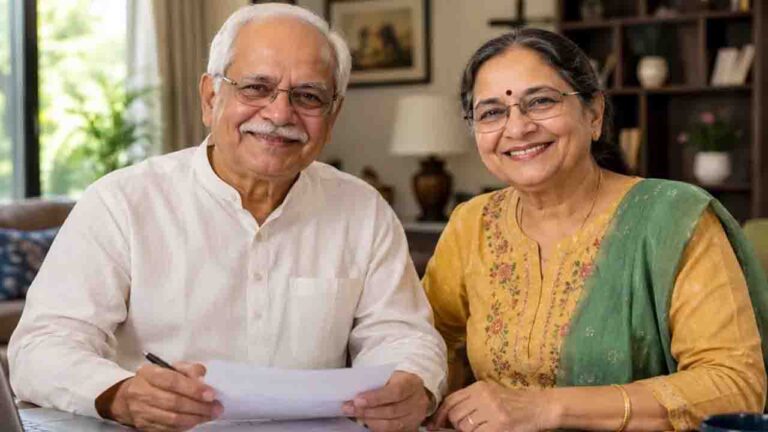
Senior citizens frequently question the utility of paying insurance premiums when their children are already financially independent. However, experts stress that the post-60 perspective on insurance must evolve. The objective is no longer just leaving an inheritance, but ensuring that the policyholder does not have to depend on others financially during their lifetime.
“Families often ask us if life insurance is necessary after 60,” Sinha notes. “Our response is that it is more important than ever, though the perspective has changed. It is no longer just about leaving something behind after you are gone. It is about ensuring security, comfort, and independence while you are alive. This shift in mindset is long overdue.”
While a young professional buys life insurance to replace lost income and protect a dependent family, the policy serves as a financial safety net and estate planning tool for a senior citizen. Many individuals still carry outstanding loans or liabilities past 60, while others want to ensure their spouse remains financially self-reliant.
Adarsh Narahari, Founder and Managing Director of Primus Senior Living, explains this functional shift. “The relevance of life insurance persists after 60, but its objective changes. It stops being a tool for income replacement and becomes a means to secure a spouse, support dependents, manage outstanding debts, and assist in legacy planning. Crucially, it ensures that an individual can live with financial dignity in their later years,” Narahari says.
He observes that Indians are living longer and healthier lives, meaning the requirement for financial security does not cease at retirement. A proper insurance cover can prevent sudden financial stress on the family, giving senior citizens peace of mind that their loved ones will not face financial hardships.
Ultimately, elder care experts agree that life insurance past the age of 60 is less about managing risk and more about providing senior citizens with the confidence, independence, and financial security to live with dignity.