
Many people turn to extreme dieting or skip meals entirely in hopes of shedding weight quickly. However, lifestyle and nutrition experts suggest that severe food restriction is not a sustainable solution. Instead, ensuring adequate protein intake is the real game-changer for making weight loss both easier and sustainable.
While weight loss journeys typically focus on cutting calories and hit-or-miss diet plans, protein is frequently overlooked. This essential macronutrient plays a critical role in building and repairing muscles, regulating appetite, accelerating metabolism, and supporting fat loss.
How Protein Drives Weight Loss
According to the National Center for Biotechnology Information (NCBI), protein is vital for the development of muscles, enzymes, hormones, and bodily tissues. Consuming sufficient protein during a weight loss phase ensures that the body burns fat while preserving lean muscle mass, while also promoting satiety to keep body weight in check.
Controlling Hunger and Cravings
One of the biggest hurdles in losing weight is dealing with frequent hunger pangs and unhealthy cravings. Research indicates that protein helps suppress appetite by increasing satiety hormones like GLP-1 and PYY, while simultaneously reducing ghrelin, the hormone responsible for triggering hunger. This keeps you feeling full for longer periods and prevents unnecessary snacking.
The Metabolic Advantage
Metabolism is the process by which the body converts food into energy. Protein significantly enhances this process due to its high Thermic Effect of Food (TEF)—the energy required by the body to digest, absorb, and process nutrients.



While carbohydrates have a TEF of about 5–10% and fats stand at 0–3%, protein boasts a TEF of 20–30%. This means the body burns substantially more calories just by processing protein compared to other nutrients.
Best Protein Sources to Include in Your Diet
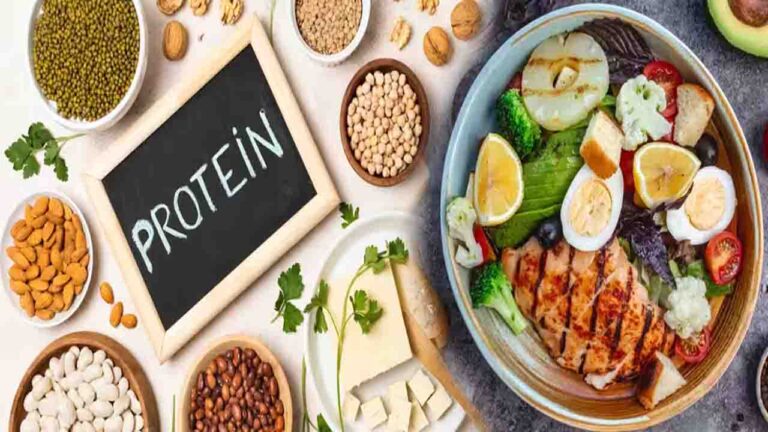
To meet your daily requirements, a variety of whole foods can be integrated into your meals:
- Eggs: A rich source of high-quality protein and essential amino acids.
- Dairy: Paneer and Greek yogurt offer an abundance of both protein and calcium.
- Legumes and Lentils: Kidney beans (rajma), chickpeas (chole), red lentils (masoor), and moong dal serve as excellent plant-based protein options for vegetarians.
- Soy and Tofu: Highly effective protein substitutes for those on a vegetarian diet.
- Lean Meats: Chicken and fish are excellent low-fat protein sources.
How Much Protein Do You Need Daily?
Daily protein requirements vary based on an individual’s age, weight, physical activity levels, and overall health status.
Harvard Health notes that the Recommended Dietary Allowance (RDA) for a sedentary adult is roughly 0.8 grams of protein per kilogram of body weight. However, for individuals actively trying to lose weight, experts often recommend increasing this intake to 1.2 to 1.6 grams per kilogram of body weight. For instance, an individual weighing 70 kg would require approximately 84 to 112 grams of protein per day.
While protein is a foundational pillar for natural weight loss, increasing its intake alone will not yield maximum results. True success relies on a holistic approach that pairs proper protein consumption with a balanced diet, regular exercise, adequate sleep, and a healthy lifestyle.