
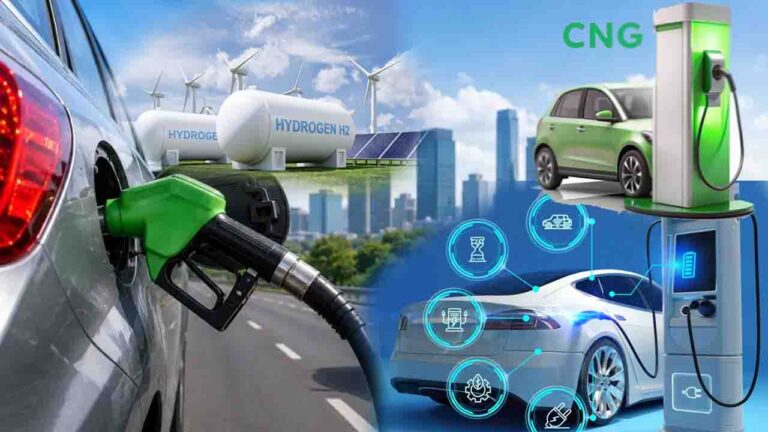
NEW DELHI: India is looking beyond ethanol to diversify its energy landscape, developing a multi-fuel strategy to reduce crude oil imports and curb environmental pollution. Rather than relying on a single substitute for petrol and diesel, the country’s long-term plan aims to deploy tailored energy solutions across cars, buses, heavy commercial vehicles, and industrial operations.
While compressed natural gas (CNG) remains the most established alternative for cars, taxis, and urban buses, several emerging fuels are set to handle different sectors:
Bio-CNG (CBG): Produced from agricultural residue, animal dung, and organic waste, compressed bio-gas turns waste into vehicle fuel. It provides farmers with an extra income source, cuts reliance on imported natural gas, and offers a practical power solution for buses, trucks, and heavy commercial vehicles.
Biodiesel: Derived from vegetable oils and used cooking oil, biodiesel can be blended into existing diesel engines based on specific vehicle parameters. Expanding its use depends heavily on securing a steady supply of raw materials for large-scale production.
Liquefied Natural Gas (LNG): Stored compactly in liquid form at extremely low temperatures, LNG is tailored for long-haul trucks and heavy transport, offering a viable high-capacity alternative where battery electric options struggle with range and weight limits.



Methanol and DME: Methanol and dimethyl ether (DME) are future-ready fuels aimed at both transport and industrial sectors. Scaling their adoption requires specialized engine modifications, strict fuel standards, affordable production, and new supply infrastructure.
Green Hydrogen: Produced via water electrolysis using renewable energy, green hydrogen targets hard-to-abate sectors like heavy transport, shipping, and steel manufacturing. Work is underway on manufacturing, trial projects, and production scaling under the National Green Hydrogen Mission.
India’s transport ecosystem will likely operate on a segmented model rather than a single dominant fuel. Battery electric vehicles may lead portions of the passenger vehicle market, while gas and clean alternatives power long-distance transit, heavy freight, and industrial manufacturing.