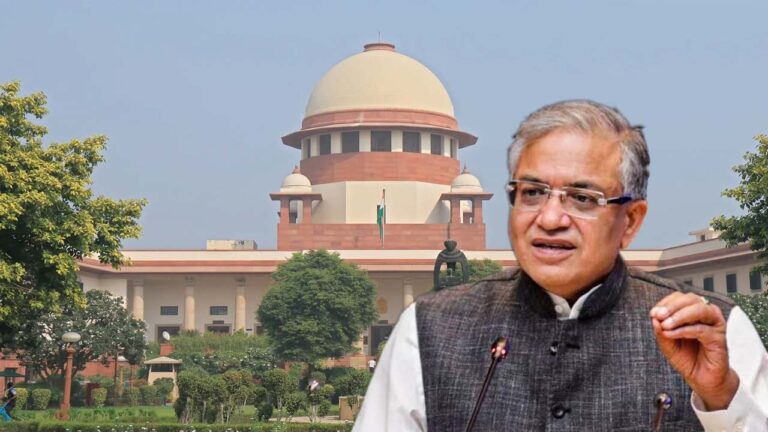

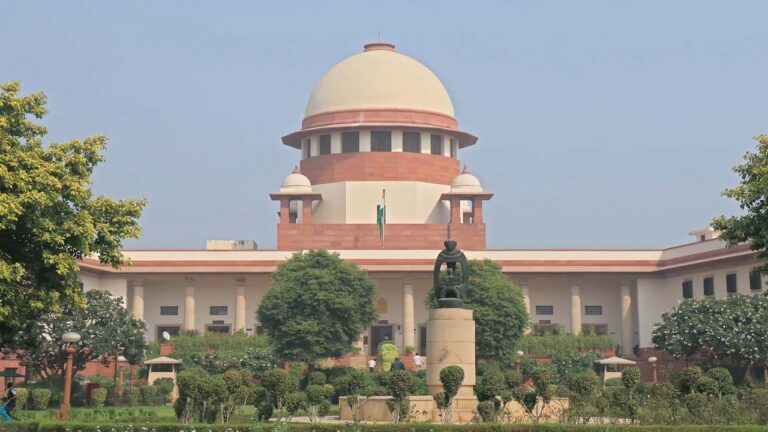
NEW DELHI: The Supreme Court on Monday refused to stay the Centre’s decision to levy a Merchant Discount Rate (MDR) on specified person-to-merchant (P2M) UPI transactions above ₹2,000. The new framework is scheduled to come into effect from October 15.
Under the announced framework, person-to-person (P2P) UPI transfers and P2M payments up to ₹2,000 will remain free. A 0.4% MDR will apply to P2M transactions above ₹2,000, with the charge capped at ₹300 for transactions of ₹75,000 and above. Specified essential sectors will attract a flat charge of ₹5, while capital-market payments will carry an MDR of 0.02%. Merchants receiving up to ₹1 lakh per month will remain exempt from the levy.
The petition challenging the framework argued that although there have been official assertions that merchants cannot pass the cost on to consumers, the fee on qualifying transactions could eventually enter price structures, reduce working capital and encourage some low-margin traders to refuse UPI payments or split transactions.
The plea also questioned why UPI payments above ₹2,000 would be subject to the proposed levy while RuPay-powered debit card transactions continue to receive no-charge protection without a monetary ceiling.
The petitioner further challenged the creation of a nationwide payment burden without disclosed cost studies, the underlying methodology or enforceable safeguards against passing the charge on to consumers. The PIL, filed by advocate Anjan Datta, also questioned the basis for the ₹2,000 transaction threshold and the ₹1 lakh monthly receipt ceiling, arguing that the government had not disclosed data supporting these limits.


The petition submitted that a transaction of ₹2,001 would attract a percentage-based charge while a ₹2,000 transaction would not. According to the plea, this creates financial “cliffs” that could influence market behaviour and create differences between similarly placed merchants, while the cap could favour very high-value transactions. The Supreme Court has sought the Centre’s response on the challenge while declining to stay the proposed framework.