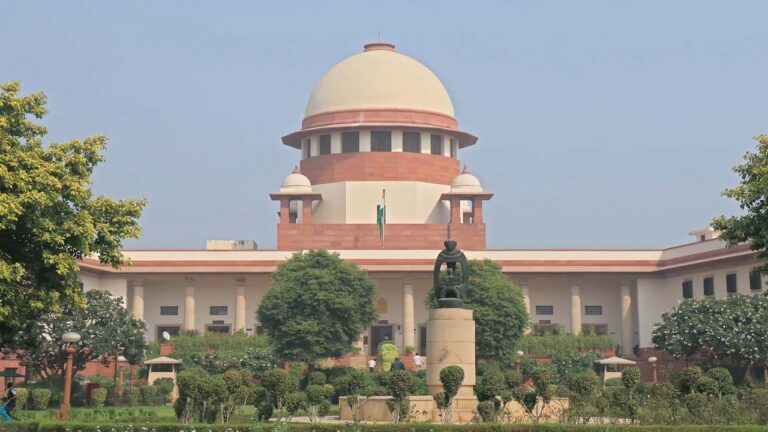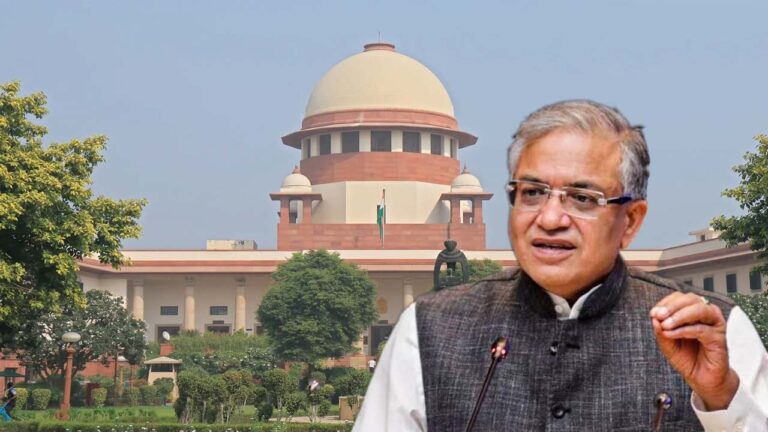

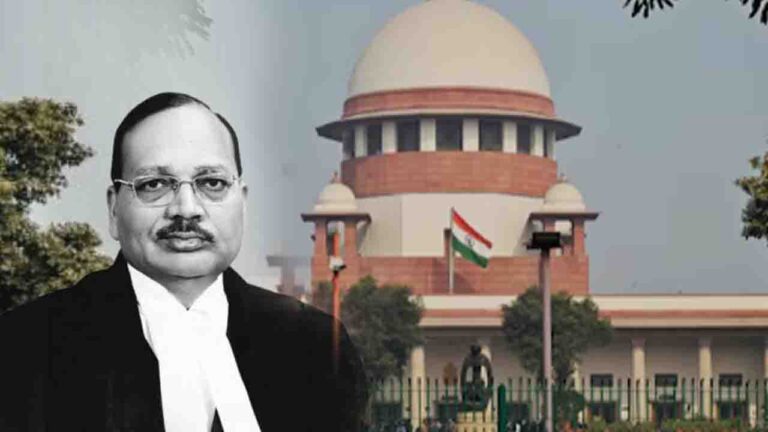
Comments made by Chief Justice of India Justice Suryakant during a hearing on the rights of domestic workers have triggered strong reactions across the country. Trade unions and Left parties have sharply criticised the remarks, calling them anti-worker, unconstitutional, and influenced by neoliberal economic thinking. The observations were made while hearing a public interest petition related to minimum wages and welfare measures for domestic workers.
According to LiveLaw, the Chief Justice said trade unions and their leaders were “largely responsible” for the slow pace of industrial development in India. He also expressed concern that fixing minimum wages, especially for domestic workers, could discourage hiring and affect job creation. These statements were made on January 29, 2026, during the hearing of Thozhilalargal Sangam vs Union of India, a case seeking minimum wages and social security for domestic workers.
During the hearing, the Chief Justice questioned whether strict enforcement of labour laws and union activities were discouraging investment and industrial growth. He suggested that trade unions often oppose reforms, which, in his view, slows down industry. On domestic workers, the court raised concerns that mandatory minimum wages could increase pressure on middle-class households and reduce demand for such workers.
Trade unions argued that these remarks unfairly blamed organised labour for industrial problems. The Centre of Indian Trade Unions (CITU) strongly objected, calling the comments unfortunate, baseless, and against the Constitution. CITU said organised and protected labour improves productivity and supports stable and sustainable industrial growth. It rejected the claim that trade unions block development, saying neither theory nor data supports such an argument.
Labour organisations also said the remarks weaken the constitutional right to form associations under Article 19(1)(c). Trade unions in India are protected under the Trade Unions Act, 1926, which ensures collective bargaining and worker protection. CITU warned that such comments from a constitutional authority could encourage governments and employers to further weaken labour laws.


The timing of the remarks has added to the controversy. They came ahead of a nationwide general strike scheduled for February 12, 2026, called by a joint platform of central trade unions against four new labour codes. CITU said both the labour codes and the Chief Justice’s comments reflect the same thinking, where worker rights are seen as obstacles to “ease of doing business.”
Trade unions also cited official data to counter the claims. Labour Bureau figures show industrial disputes have sharply declined over the years, falling from 430 disputes in 2006 to just 30 nationwide by September 2023. CITU said this proves unions cannot be blamed for industrial decline. It also pointed to government data showing over two lakh private companies shut down in five years due to corporate and financial reasons, not labour movements.
The remarks on domestic workers drew special criticism. CITU said several states already have minimum wages for domestic workers without job losses. Denying minimum wages in this largely women-based sector, it argued, only legitimises exploitation. Left party CPI(ML) Liberation also criticised the comments, saying they ignore the historic struggles through which workers secured rights like minimum wages and fixed working hours.
Analysts say the controversy reflects a deeper shift toward market-driven thinking within institutions. CITU has urged the Chief Justice to reconsider and withdraw the remarks, as the debate over labour rights intensifies ahead of the February strike.