



AQI Today: Delhi Chokes as AQI Turns ‘Severe’: How is the Air in Your City?

On: Sunday, November 2, 2025 11:53 AM
Preferred_source_publisher_button.width-500.format-webp
AQI Today: Delhi Chokes as AQI Turns 'Severe': How is the Air in Your City?
---Advertisement---

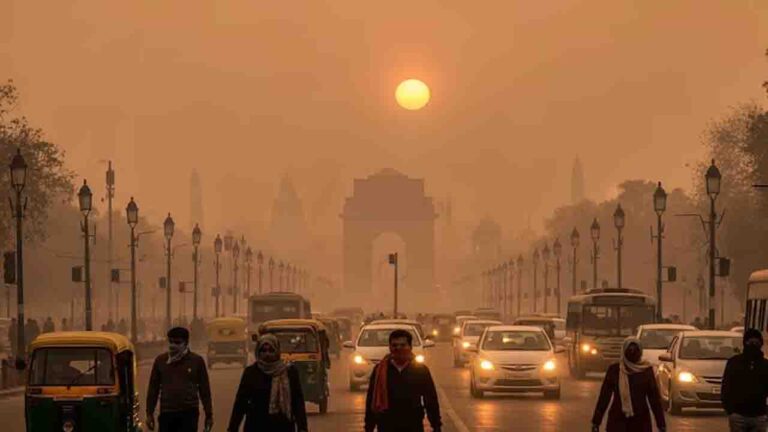
AQI Today: A toxic haze has tightened its grip over Delhi-NCR, turning the national capital into a gas chamber this Sunday morning. Visibility dropped drastically, with the India Meteorological Department (IMD) reporting it had fallen to just 900 meters at Safdarjung and 1,300 meters at Palam.

The air quality plummeted to dangerous levels, with the Central Pollution Control Board (CPCB) data revealing a grim picture. The area around AIIMS recorded an Air Quality Index (AQI) of 421 by 7 AM, pushing it into the ‘Severe’ category. This marks a sharp and rapid decline from Saturday, when the overall AQI had already worsened from 218 (Poor) on Friday to 303 (Very Poor).

Also Read:  8th Pay Commission News: Central Government Approves Pay Revision for Employees

A heavy mixture of smoke and fog blanketed the city, not only posing serious health risks but also creating a nightmare for commuters who struggled to navigate through the thick haze.

What is the AQI telling us?

The Air Quality Index (AQI) is a crucial measure for understanding the daily air pollution levels. Here’s a quick guide to what the numbers mean:
-0-50: Good – The air is clean and safe.
-51-100: Satisfactory – Acceptable air quality.
-101-200: Moderate – May cause discomfort for sensitive people.
-201-300: Poor – Breathing discomfort for most people on prolonged exposure.
-301-400: Very Poor – Can lead to respiratory illness.
-401-500: Severe – Affects healthy people and seriously impacts those with existing diseases.


Also Read:  Supreme Court Grants Major Relief to Election Commission in Bihar Voter List Revision Case

With Delhi’s AQI breaching the 400-mark, the air is officially ‘Severe’ and hazardous to public health.

So, the big question is: How is the air quality in your city today? It’s time to check your local AQI and take necessary precautions.

A toxic haze has tightened its grip over Delhi-NCR, turning the national capital into a gas chamber this Sunday morning. Visibility dropped drastically, with the India Meteorological Department (IMD) reporting it had fallen to just 900 meters at Safdarjung and 1,300 meters at Palam. The air quality plummeted to dangerous levels, with the Central Pollution Control Board (CPCB) data revealing a grim picture. The area around AIIMS recorded an Air Quality Index (AQI) of 421 by 7 AM, pushing it into the **'Severe'** category. This marks a sharp and rapid decline from Saturday, when the overall AQI had already worsened from 218 (Poor) on Friday to 303 (Very Poor). A heavy mixture of smoke and fog blanketed the city, not only posing serious health risks but also creating a nightmare for commuters who struggled to navigate through the thick haze. What is the AQI telling us? The Air Quality Index (AQI) is a crucial measure for understanding the daily air pollution levels. Here’s a quick guide to what the numbers mean: -0-50: Good - The air is clean and safe. -51-100: Satisfactory - Acceptable air quality. -101-200: Moderate - May cause discomfort for sensitive people. -201-300: Poor - Breathing discomfort for most people on prolonged exposure. -301-400: Very Poor - Can lead to respiratory illness. -401-500: Severe - Affects healthy people and seriously impacts those with existing diseases. With Delhi's AQI breaching the 400-mark, the air is officially 'Severe' and hazardous to public health. So, the big question is: How is the air quality in your city today? It's time to check your local AQI and take necessary precautions.

Join WhatsApp

Join Now

Join Telegram

Join Now

---Advertisement---
Cookie Consent