

Delimitation Bill: The non-prorogation of Parliament following its sine die adjournment on August 13 has sparked intense political speculation in New Delhi. Questions are mounting over whether the ruling National Democratic Alliance (NDA) is laying the groundwork to reconvene the Lok Sabha to pass the key Delimitation Bill, and whether it has secured the required two-thirds majority in the House.
Fueling these discussions, Union Parliamentary Affairs Minister Kiren Rijiju gave clear signals that technical options remain wide open for the executive. Speaking in an interview with India Today TV, Rijiju emphasized that because the session has not been officially prorogued, the government retains the authority to call a sitting whenever it deems fit.
Rijiju Cites Historical Precedents
When asked directly whether the government might summon the House again to deliberate on major pending legislation like the Delimitation Bill, Rijiju did not rule out the possibility.
“It is entirely up to the government,” Rijiju stated. “Whenever Parliament has to be called, the government takes the decision and requests the President to summon the session. As long as the session has not been officially ended, it can be reconvened.”
When asked if his comments implied keeping options open, the Parliamentary Affairs Minister replied, “You can read both ways.”
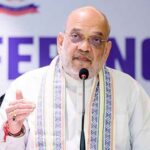
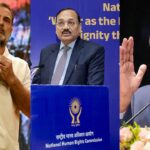
Dismissing claims that keeping a session active post-sine die adjournment is unusual, Rijiju pointed to historical precedents. “We are not doing anything new,” he noted. “Since 1952, there have been countless instances where Parliament was adjourned sine die without formal prorogation, and the same session was subsequently reconvened.”
Opposition On Edge
The failure to formally end the session days after its August 13 adjournment has heightened anxiety within the opposition camp. Under parliamentary procedures, if a session remains unprorogued, the government can call the members back to the House at short notice without undergoing the extended protocol of initiating a fresh session.
The central topic of concern among opposition parties is whether the ruling coalition plans to use this procedural route to bring the Delimitation Bill—and potentially other stalled legislation—back to the floor.
NDA’s Numbers: The Push Toward the 360-Mark
The government previously attempted to pass the Delimitation Bill during a special session from April 16 to 18. Because the bill involves constitutional amendments, it requires a two-thirds majority of members present and voting to pass. During the April vote, the bill received 298 votes in favor, falling short of the required threshold against 230 votes opposing it.
However, the arithmetic inside the Lok Sabha has shifted significantly since then:
- Shiv Sena Shift: 7 MPs from Shiv Sena (UBT) have crossed over to join Eknath Shinde’s Shiv Sena.
- TMC Breakaway: 20 MPs who broke away from the Trinamool Congress (TMC) to form the NCPI have pledged their support to the ruling NDA.
With these realignments, the NDA’s effective backing in the Lok Sabha has risen to 318 MPs. Despite this gain, the coalition remains short of the 360-vote milestone needed for a definitive two-thirds majority in the 543-member House.
Political observers note that the Dravida Munnetra Kazhagam (DMK) could hold the key to breaking the deadlock. Tensions between the DMK and the Congress have escalated, leading to the DMK’s exit from the opposition INDIA bloc. Speculation is rife that if the DMK’s 22 Lok Sabha MPs choose to support the government on the Delimitation Bill, the NDA would move within striking distance of the target.
No formal statements have been issued by the DMK or the ruling alliance regarding such an alignment, leaving the numerical outcome in the realm of intense political calculation.