
Shimla: The implementation of the India-New Zealand Free Trade Agreement (FTA), scheduled to come into effect on October 20, has raised significant concerns among fruit growers across Himachal Pradesh. Signed in April 2026, the deal allows around 95 percent of New Zealand’s exports duty-free or reduced-duty access to Indian markets, causing anxiety over potential price drops and shifting consumer demand.
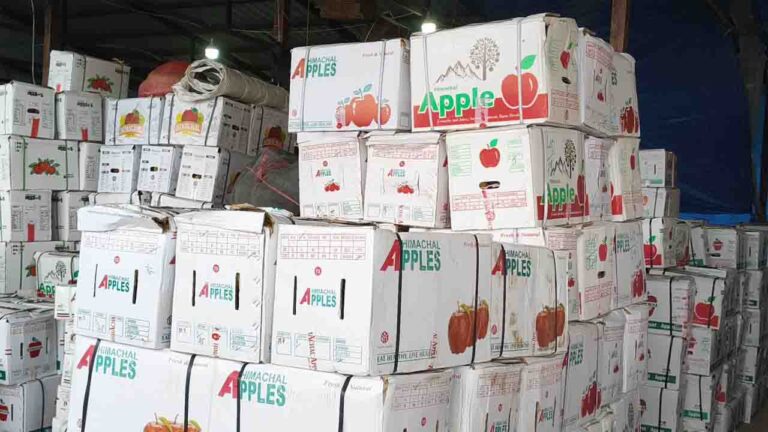
Though Union Commerce Minister Piyush Goyal assured that sensitive agricultural sectors, including apples, have been safeguarded without concessions, local orchardists remain wary. Himachal Pradesh’s apple business generates roughly ₹5,500 crore annually. Farmers in the state, along with those in Jammu & Kashmir and Uttarakhand, fear that increased availability of imported apples and kiwis could hurt domestic pricing power.
Duty Cuts and Price Volatility Concerns
According to a media report Harish Chauhan, President of the Himachal Pradesh Apple and Fruit Growers Association, noted that the FTA could negatively impact local growers. The import duty on New Zealand kiwis, previously set at 33 percent, is slated for reduction. Kiwi imports are projected to reach 6,250 tonnes in the first year and rise to 15,000 metric tonnes by the sixth year under duty-rate quotas.
Chauhan highlighted that the Minimum Import Price (MIP) adjustment to $1.20 for apples could hit premium varieties, such as those grown in Kinnaur. High-grade apples currently fetching ₹350 to ₹450 per kg in retail markets could see prices fall to ₹250 to ₹350 per kg due to cheaper foreign alternatives entering the market.
Growers Under Financial Pressure
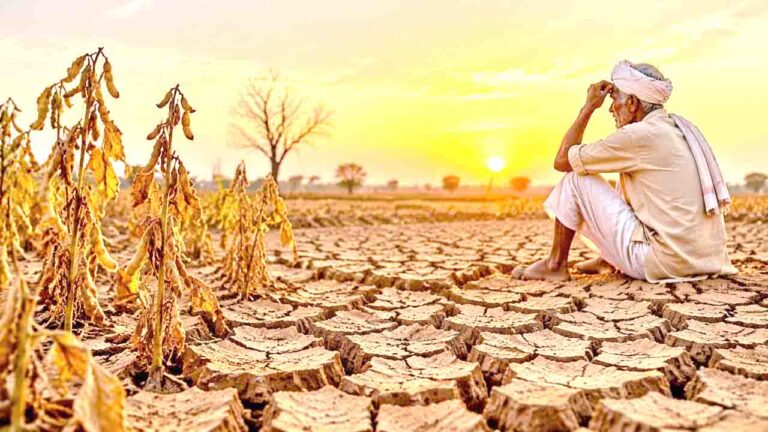
Orchardists are already facing headwinds from climate change, lower yields, and escalating costs for sprays and orchard management. Sanjay Chauhan, a member of the Apple Growers Association State Committee, stated that despite a strong harvest in 2023 where crates fetched around ₹2,700, current returns have dropped to roughly ₹2,200 per crate while yields have fallen drastically below 25 percent of normal levels.



Growers pointed out that cheap imports from Iran are already active in Indian markets, and added competition from New Zealand could exacerbate the financial stress on hill-state farmers. Agricultural representatives have called for complete exclusion of farm produce from free trade agreements to protect domestic livelihoods.
Agreement Scope and Trade Projections
Under the bilateral agreement, sensitive agricultural products including dairy, meat (excluding sheep meat), key agricultural crops, sugar, and edible oils are excluded from tariff concessions. For New Zealand apples, kiwi fruit, and mānuka honey, balanced market access has been structured through Tariff Rate Quotas (TRQ) combined with seasonal import windows and Minimum Import Prices.
Additionally, an Agricultural Productivity Partnership will be established to enhance farming techniques and technology transfer specifically for apples, kiwi, and honey production.
Suresh Thakur, President of the Bharatiya Kisan Sangh, reiterated that differences in production technology and scale make direct competition challenging for local farmers. Bilateral goods trade between the two nations reached approximately $1.1 billion in 2025-26, with target trade expected to double to nearly ₹35,000 crore ($4.2 billion) over the next four to five years.