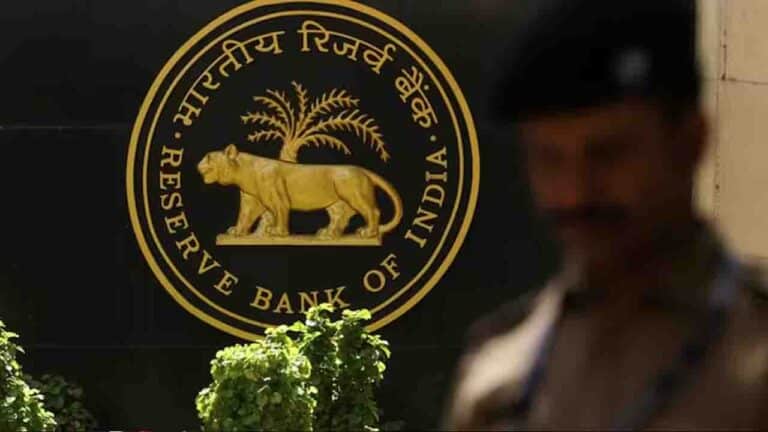

The Reserve Bank of India (RBI) has opted to keep interest rates unchanged, as rising geopolitical tensions in West Asia and surging crude oil prices cast a shadow over India’s economic outlook. Minutes of the Monetary Policy Committee (MPC) meeting held between April 6 and 8 highlight that policymakers are increasingly concerned about inflation risks driven by global uncertainties.
The six-member MPC unanimously decided to retain the benchmark repo rate at 5.25%, while maintaining a neutral policy stance. The decision comes amid heightened volatility in global markets, a weakening rupee, and disrupted trade flows triggered by the ongoing conflict in West Asia. The committee emphasized that the current situation represents a supply shock, making it prudent to “wait and watch” before taking any aggressive policy action.
Chaired by RBI Governor Sanjay Malhotra, the panel acknowledged that while India’s domestic demand remains resilient, external risks have intensified significantly. Rising crude oil prices, volatile financial markets, and supply chain disruptions are adding pressure on inflation and complicating growth projections for Asia’s third-largest economy.
The central bank has projected India’s GDP growth at 6.9% for the financial year 2026–27, down from an estimated 7.6% in the current fiscal. Inflation is expected to inch up to 4.6%, remaining within the RBI’s tolerance band of 2–6%, but with clear upside risks stemming from energy prices and potential weather disruptions like El Niño.
Governor Malhotra cautioned that the West Asia conflict poses multi-dimensional challenges to India, including risks to exports, commodity supplies, remittances, and overall global demand. He noted that the widening scope of the conflict could prolong supply chain disruptions, thereby increasing inflationary pressures while dampening economic growth.



Several MPC members underlined the limitations of monetary policy in tackling supply-driven inflation. External member Nagesh Kumar pointed out India’s vulnerability due to its heavy dependence on Middle Eastern oil imports, warning that disruptions in key routes like the Strait of Hormuz could significantly impact the current account deficit.
Another member, Saugata Bhattacharya, highlighted that rising uncertainty in global supply chains and short-term inflation expectations have shifted the balance of risks. He cautioned that both raising and cutting interest rates carry significant risks under the current volatile conditions.
Echoing similar concerns, Prof. Ram Singh noted that crude oil prices have surged over 40% in recent weeks, potentially shaving off up to 0.6 percentage points from India’s growth. He emphasized that disruptions in global shipping routes and energy supplies are already weighing on exports and economic momentum.
RBI Deputy Governor Poonam Gupta maintained that inflation remains largely supply-driven and is expected to stay within the target range, supported by stable core inflation and strong domestic fundamentals. Meanwhile, Executive Director Indranil Bhattacharyya warned against premature policy tightening, stating that it could hurt growth without effectively controlling inflation.
Overall, the RBI has adopted a cautious and data-driven approach, signaling that it will remain vigilant and closely monitor evolving global developments before making any future policy moves. With geopolitical tensions showing no immediate signs of easing, the central bank faces a delicate balancing act between controlling inflation and supporting economic growth.