
The war raging in West Asia has found its way to the hills of Himachal Pradesh – not through conflict, but through cost. Road construction in the state has become Rs 100 crore more expensive, and the man in charge of the state’s roads isn’t mincing words about it.
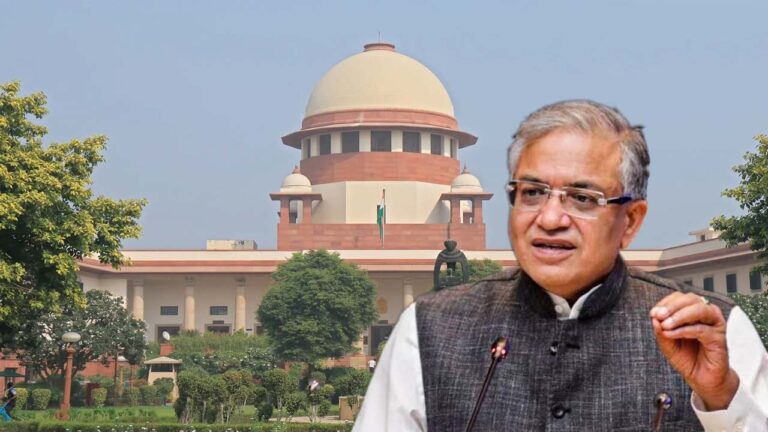
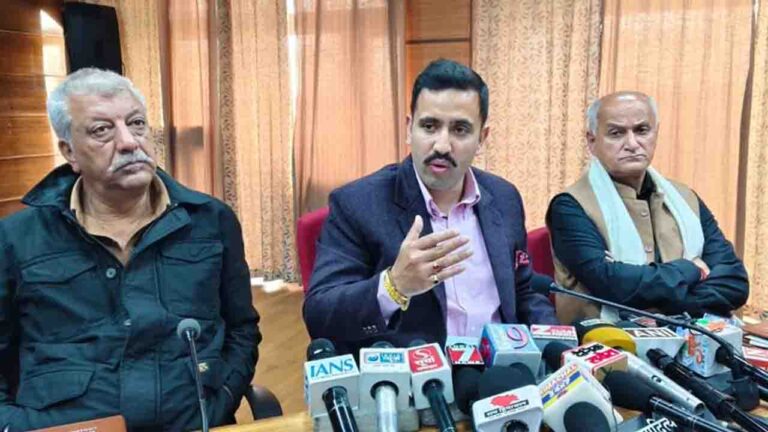
Public Works Minister Vikramaditya Singh said on Saturday that a 25 per cent jump in bitumen prices -directly linked to the Israel-USA-Iran conflict disrupting crude oil supplies through the Strait of Hormuz -has sent construction costs spiralling across every category of road the state builds.
“As per estimates, our department has observed an impact of Rs 100 crore as a result of this escalation,” he told mediapersons in Shimla.
The numbers tell the story
The price hikes are sharp and spread across the board. Under the Pradhan Mantri Gramin Sadak Yojana (PMGSY) and NABARD schemes, the cost of building a 3-metre-wide road has jumped from Rs 13.75 lakh per kilometre to Rs 17.75 lakh – a rise of Rs 4 lakh per km.
For 6-metre-wide roads, the rate has climbed from Rs 27.50 lakh to Rs 35.50 lakh per kilometre-an increase of Rs 8 lakh. And for 10-metre-wide roads, costs have gone up from Rs 41.25 lakh to Rs 53.25 lakh per km, adding Rs 12 lakh to every kilometre laid.


Even routine upkeep hasn’t been spared. The metalling cost for Annual Maintenance Plan (AMP) and rural roads has risen from Rs 11 lakh to Rs 14.15 lakh per kilometre- a jump of Rs 3.15 lakh per km.
From LPG to bitumen-the conflict’s reach keeps widening
Vikramaditya was direct about the chain of events. The Israel-USA-Iran conflict has squeezed crude oil movement through the Strait of Hormuz, sending ripple effects across India’s energy and infrastructure sectors.
“Earlier, the issue was limited to LPG cylinders, petrol and diesel, but now bitumen prices have also been affected,” he said, adding that the state government is closely watching the situation to ensure people are not badly hit.
Shimla writes to Delhi, mulls pausing some road work
The state isn’t sitting idle. A proposal has already been sent to the National Rural Infrastructure Development Agency (NRIDA), asking it to absorb the additional financial burden -the argument being that this is a national problem, not just Himachal’s.
A separate proposal covering AMP roads is being worked out, since those extra costs will fall directly on the state’s own treasury.
And if things don’t ease up? The PWD is even considering putting some road work on hold. “Departmental discussions on possibly halting the work will also be held as there is an expectation that the international situation may stabilise in the coming months,” the minister said.
For now, a war thousands of kilometres away is deciding how many kilometres of road Himachal Pradesh can afford to build.