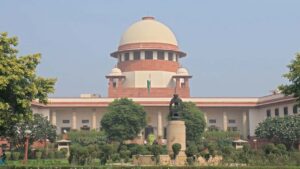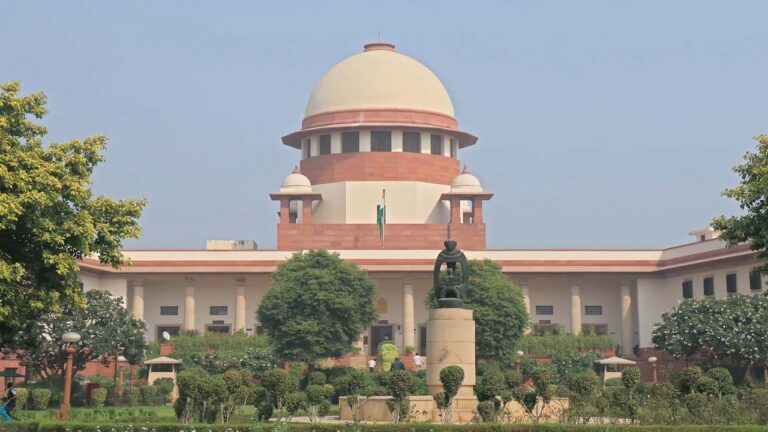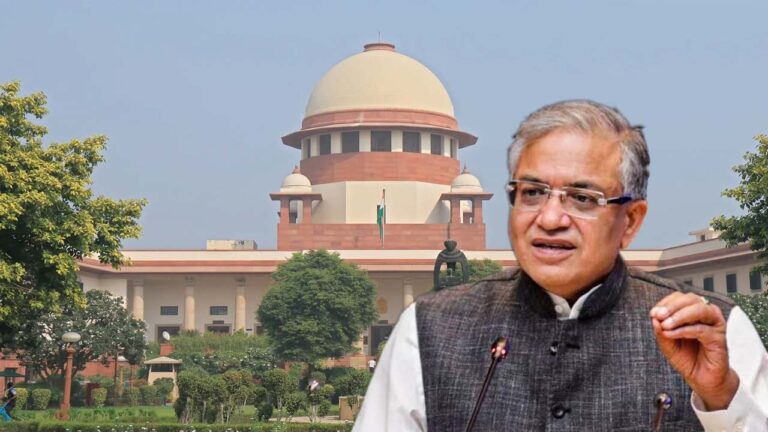

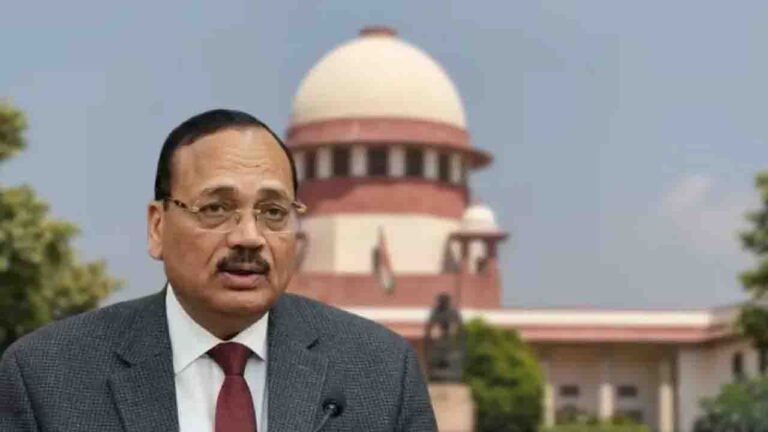
NEW DELHI: The Supreme Court has taken a stinging stance against the rising tide of digital fraud, suggesting that while even a murderer might deserve a second chance, cybercriminals should expect no such mercy.
Heading a bench on Thursday, Chief Justice Surya Kant delivered a stern warning to those orchestrating online scams, remarking that cyber thugs should be kept in “solitary cells” to ensure they cannot lay a finger on a mobile phone again.
Scams are ‘Loot and Dacoity’
The apex court’s observations came while hearing a plea from one Suraj Srivastava of Uttar Pradesh. Srivastava had approached the top court to challenge an Allahabad High Court order that denied him bail.
The allegations against him are serious: Srivastava is accused of duping a person of ₹6.55 lakh by promising a part-time job. Investigations revealed that the accused had opened five different bank accounts specifically to route the cheated money.
The bench, which also included Justice Joymalya Bagchi and Justice Vipul Pancholi, took a grim view of the “Digital Arrest” trend currently haunting the country. The court likened these organized crimes-where fraudsters pose as law enforcement officers to extort money-to “loot or dacoity.”

Legal experts believe this tough talk from the Sarkar’s highest court will put immense pressure on the RBI, Department of Telecommunications (DoT), and banks to coordinate more effectively against these digital syndicates.
Conflict of Interest: Justice Viswanathan recuses himself from corporate case
In a separate and significant development at the Supreme Court, a judgment that had already been reserved was set aside after a conflict of interest came to light.
Justice KV Viswanathan recused himself from a case involving a private company after realizing he had previously represented one of the parties as a lawyer.
The matter was being heard by a bench of Justice JB Pardiwala and Justice KV Viswanathan. While the court had initially reserved its verdict on March 17 after a full hearing, it was later discovered that Justice Viswanathan had appeared for the appellant during the Corporate Insolvency Resolution Process (CIRP) against the corporate debtor in his earlier career as a senior advocate.
Upholding the highest standards of judicial propriety, the judge opted to step away from the case to ensure an impartial hearing.