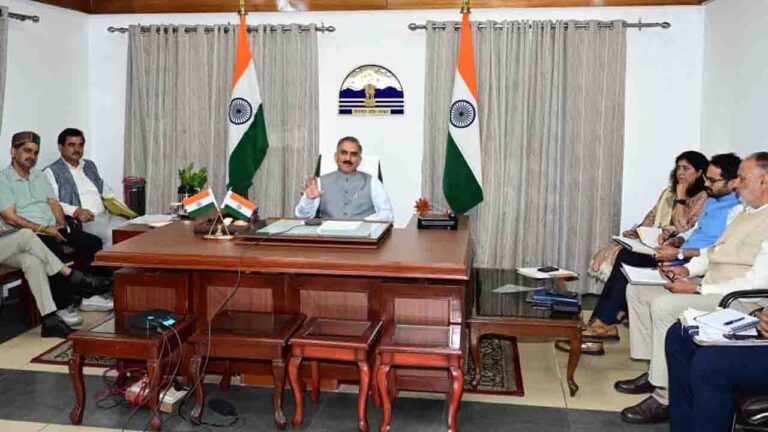
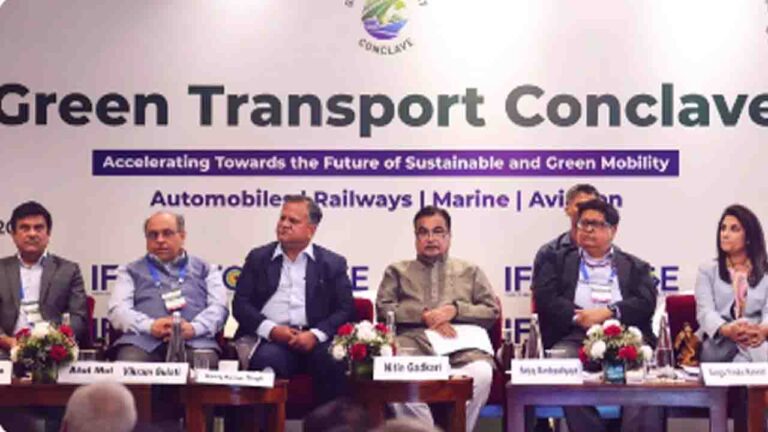

India is preparing for a major shift in its energy strategy, with Union Road Transport and Highways Minister Nitin Gadkari calling for an ambitious move towards 100 per cent ethanol blending in fuel. Speaking at the Green Transport Conclave in New Delhi, Gadkari emphasized that the ongoing crisis in West Asia has exposed India’s heavy dependence on imported oil, making energy self-reliance an urgent national priority.
Highlighting the country’s vulnerability, Gadkari noted that India currently imports nearly 87 per cent of its oil needs, spending around ₹22 lakh crore annually on fossil fuels. This not only puts pressure on the economy but also contributes significantly to pollution levels. He stressed that increasing the production of alternative fuels and biofuels is essential to reduce this burden and ensure long-term sustainability.
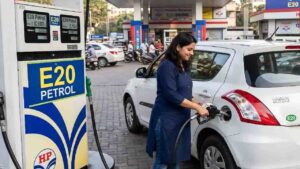
India has already taken initial steps in this direction. In 2023, Prime Minister Narendra Modi launched E20 fuel—petrol blended with 20 per cent ethanol—which can be used in most vehicles with minor engine modifications. Gadkari pointed out that countries like Brazil have successfully achieved 100 per cent ethanol blending, setting a global example that India can follow.
The minister also spoke about upcoming Corporate Average Fuel Efficiency (CAFE) III norms, set to be implemented from April 1 next year. According to him, these stricter efficiency standards will have minimal impact on electric and flex-fuel vehicles, further encouraging their adoption in the Indian market.
Looking ahead, Gadkari identified green hydrogen as a key fuel of the future but acknowledged the challenges in scaling it up. He said reducing the cost of hydrogen production to $1 per kilogram is crucial to making India a global energy exporter. Additionally, issues related to hydrogen transportation and the high cost of setting up fuel stations need to be addressed to make the technology commercially viable.


He also suggested producing hydrogen from waste as part of a circular economy approach, which could not only reduce environmental impact but also create new employment opportunities. At the same time, Gadkari underlined the importance of gradually discouraging petrol and diesel vehicles, while clarifying that consumers cannot be forced to abandon them.
Addressing concerns around E20 fuel, the minister claimed that resistance from certain sections, particularly within the petroleum sector, is driven by lobbying efforts. He urged automobile manufacturers to prioritize quality over cost, stating that this approach would help Indian companies expand into global markets.
With rising geopolitical tensions and increasing environmental concerns, India’s push towards ethanol, biofuels, and green hydrogen signals a transformative shift in the country’s energy and transport landscape.