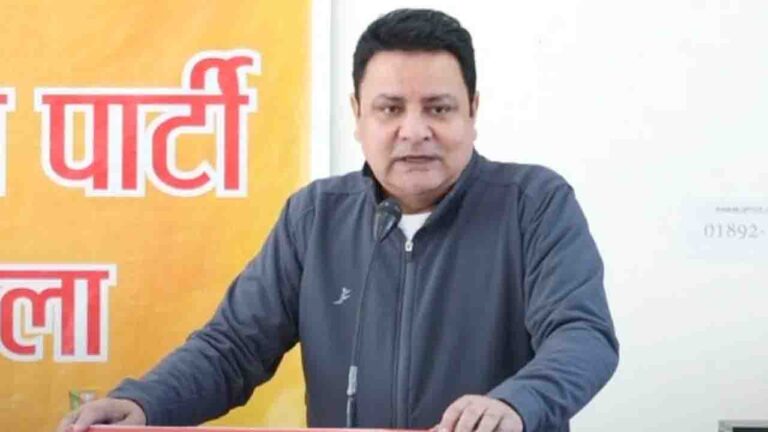
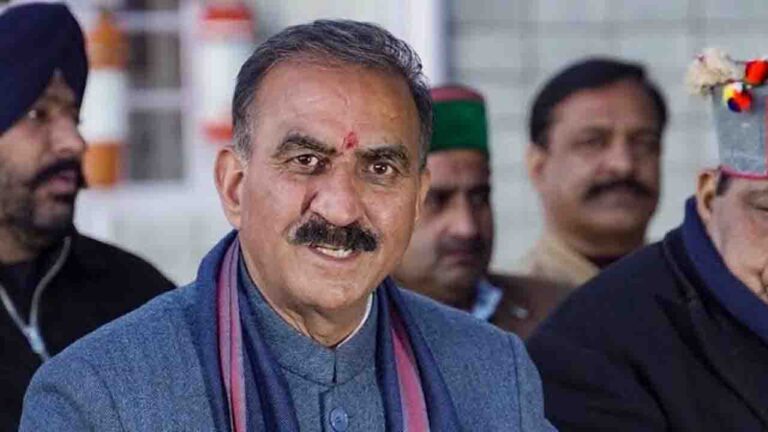

SHIMLA: In a bid to curb administrative expenditure and optimize resource management, the Sukhvinder Singh Sukhu-led Himachal Pradesh government has decided to overhaul the current system of allocating official vehicles to senior bureaucrats.
Under the new proposal, no senior officer in the state will be provided more than one official vehicle, regardless of how many additional departmental charges they hold. Officers currently using multiple government cars will have to surrender the extra vehicles.
At present, several officers at the secretary and director levels have multiple cars allotted under different departments due to holding additional charges. According to the General Administration Department (GAD), this arrangement significantly inflates government spending on fuel, vehicle maintenance, and drivers’ salaries.
The state government maintains that an officer can efficiently use a single vehicle for all official duties, rendering additional cars unnecessary.
Rather than letting the recalled vehicles sit idle, the government plans to reallocate them to departments and field offices that face genuine shortages. This is expected to facilitate administrative work for staff deployed in remote and rural areas.



According to official sources, once the proposal receives final approval, all departments will be required to submit complete details of vehicles currently assigned to their officers. Excess vehicles will then be identified and reclaimed based on these reports.
The government emphasized that this new measure will not adversely affect administrative speed or efficiency. Instead, it aims to ensure better utilization of limited state resources while putting a permanent check on unnecessary administrative expenses. The move is being seen as a key financial and policy reform in the state’s administrative system.
The state’s growing debt burden and severe financial crisis
Significantly, the Himachal Pradesh government, led by Chief Minister Sukhvinder Singh Sukhu, is cutting expenses as the state grapples with a rapidly mounting debt burden and a severe financial crisis. In view of the rising debt, reduced grants from the Centre, and increasing fixed expenditures, Chief Minister Sukhu—along with ministers and MLAs-decided to defer a portion of their salaries for a certain period to help manage the fiscal deficit.
Due to the severe financial crisis, the administration has had to reduce its budget by ₹3,586 crore. To address the immediate crisis, Chief Minister Sukhu has deferred 50% of his salary for six months, while state ministers and MLAs have agreed to defer 30% and 20% of their salaries, respectively. Government departments have also been instructed to curb non-essential expenditure and shut down defunct institutions.
The state’s financial woes have been compounded by a significant reduction in central assistance. The discontinuation of the Revenue Deficit Grant (RDG) by the Centre is causing an annual loss of approximately ₹8,000 crore to the state exchequer. Furthermore, the government is facing outstanding dues of around ₹7,000 crore related to GST compensation and the Bhakra Beas Management Board (BBMB). The state government has stated that securing funds commensurate with its needs from the BJP-led central government remains a major challenge.
A significant blow came with the termination of the GST compensation system in 2022, which had originally been introduced alongside the implementation of GST in 2017. The cessation of this compensation has severely impacted the hill state’s local revenue generation.
Additionally, a substantial portion of Himachal Pradesh‘s annual budget is consumed by committed liabilities-such as salaries, pensions, and interest payments on past loans-leaving very little room for capital expenditure and development activities. Due to this imbalance, the state is frequently compelled to borrow funds to maintain basic administration and infrastructure.
Himachal Pradesh’s debt situation has deteriorated rapidly across the tenures of various governments. In 2017, the state’s total debt stood at approximately ₹48,000 crore; today, that figure has more than doubled.
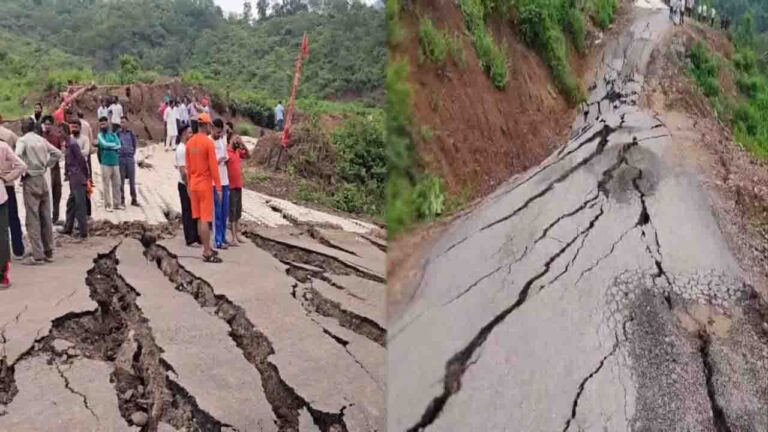
Its geographical location also exacerbates this economic vulnerability. As a mountainous state with limited industrial activity and few commercial hubs, Himachal Pradesh has a restricted local tax base, while the cost of delivering public services remains high. Frequent natural disasters-such as floods and landslides-often necessitate sudden expenditure on recovery efforts, further intensifying financial strain and forcing the state to resort to heavy market borrowing.