
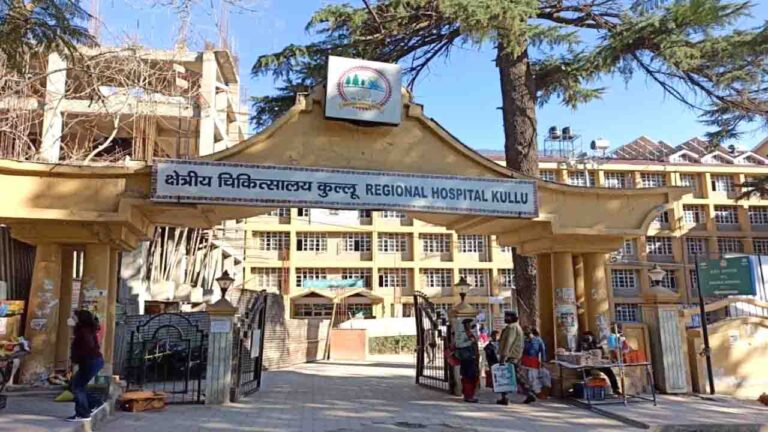

KULLU: Rising jaundice cases at the Regional Hospital in Kullu have raised serious concerns for the health department, with around 38 patients currently undergoing treatment at the facility. The affected individuals include adults, adolescents, and young children.
Daily footfalls of patients exhibiting jaundice symptoms have spiked sharply, with children and youths being the most impacted group. In response to the surge, hospital authorities have initiated an investigation to pinpoint the source of the outbreak.
On Monday, health teams collected five drinking water samples from the Post Office and Shastri Nagar areas of Kullu for lab analysis. Authorities noted that further action will depend on the test results. The Jal Shakti Department has also been alerted to take precautionary measures following several complaints of contaminated water supply from various localities.
Doctors warned that water sources often get contaminated during the monsoon season, significantly increasing the risk of waterborne diseases like jaundice. According to health experts, key symptoms of jaundice include yellowing of the eyes and skin, loss of appetite, weakness, fever, vomiting, abdominal pain, and dark urine.
The health department has urged residents to consume only boiled or clean water, eat fresh and hygienic food, maintain hand hygiene, and avoid street food sold in the open. Parents have been advised to bring children to the hospital immediately if symptoms appear.



“Around 38 patients have tested positive for jaundice at Regional Hospital Kullu. Five water samples were collected today, and we have initiated correspondence with the Jal Shakti Department. Further clarity will emerge once the test reports arrive,” said Dr. Ranjit Thakur, Chief Medical Officer, Regional Hospital Kullu.
Meanwhile, the Jal Shakti Department has stepped up quality checks across the local supply network. Beyond local testing, four drinking water samples collected from different sites are being dispatched via courier to a laboratory in Pune for comprehensive analysis to determine the exact cause of contamination.