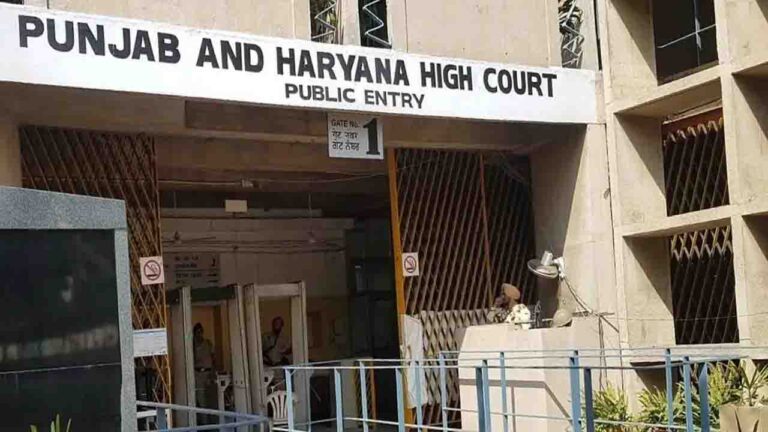

CHANDIGARH: In a major setback to the Punjab government, the Punjab and Haryana High Court on Monday dismissed the state government’s Letters Patent Appeal regarding the payment of Dearness Allowance and pending arrears to its employees and pensioners.
A division bench issued strict directions to the government to release DA according to the central pattern within 15 days and clear all arrears pending since January 1, 2016, within the same timeframe, advocate Sunny Singla informed.
Giving details of the case, Singla said the Punjab government had accepted and implemented the 6th Pay Commission in 2021, revising pay and pensions with retrospective effect from January 1, 2016. Under this, employees and pensioners were entitled to receive DA on the central pattern from the same date.
While the state government provided DA from January 1, 2016, to January 1, 2023, it subsequently stopped paying it. Following this, employees and pensioners approached the High Court demanding the resumption of DA under the central pattern.
Earlier, a single bench of the High Court had ruled on April 8, 2026, directing the Punjab government to release the pending DA and arrears by June 30, 2026. However, the government did not comply with the order and instead filed an LPA before the division bench. Dismissing the appeal, the double bench reiterated the instructions and mandated that all payments be issued within 15 days.


The decision will benefit around 7 lakh Punjab government employees and pensioners. They will receive the pending DA from 2023 along with arrears accumulated since January 1, 2016. The court clarified that if the government fails to clear the payments within the 15-day limit, it will have to pay the outstanding amount with an interest rate of 6 per cent per annum.
Taking a firm stance to ensure compliance, the court also placed a stay on government advertising costs and other non-productive expenses until all DA dues and arrears are released. Directives have been issued to freeze spending on the publicity and promotion of various government schemes to prioritize the payment of legitimate employee dues.