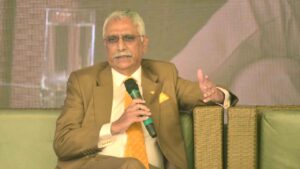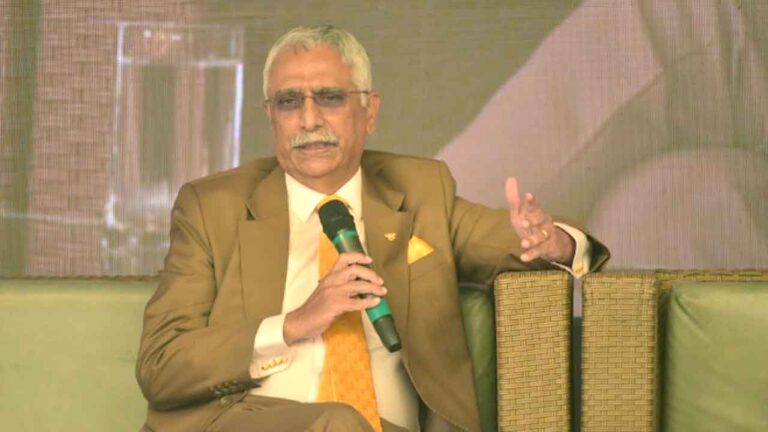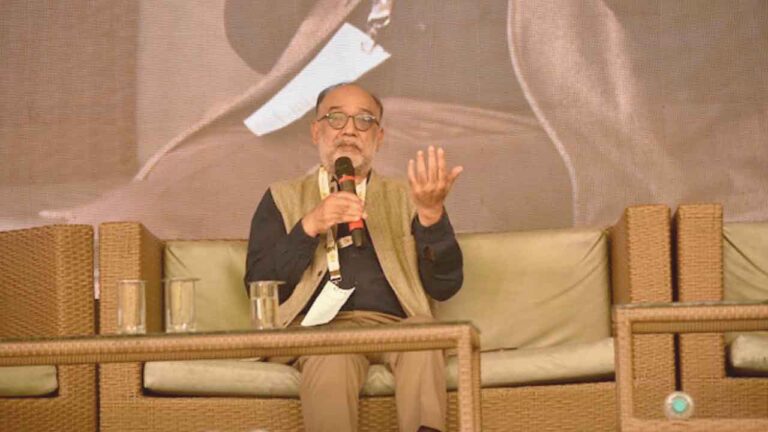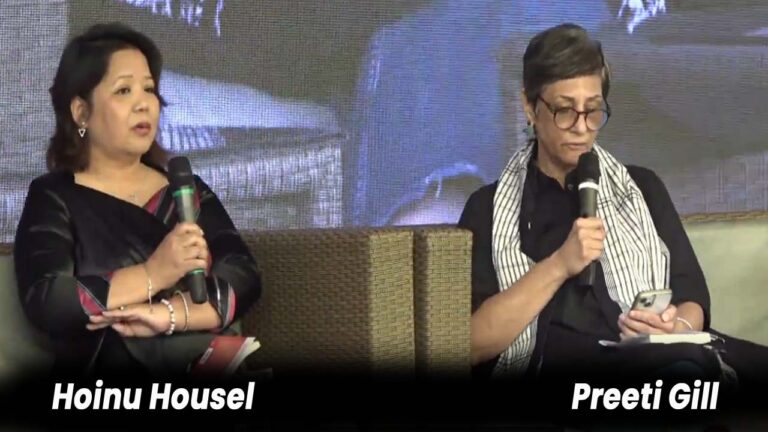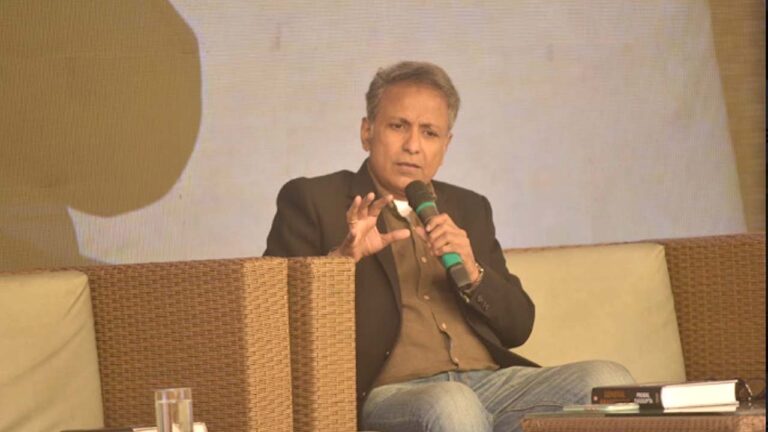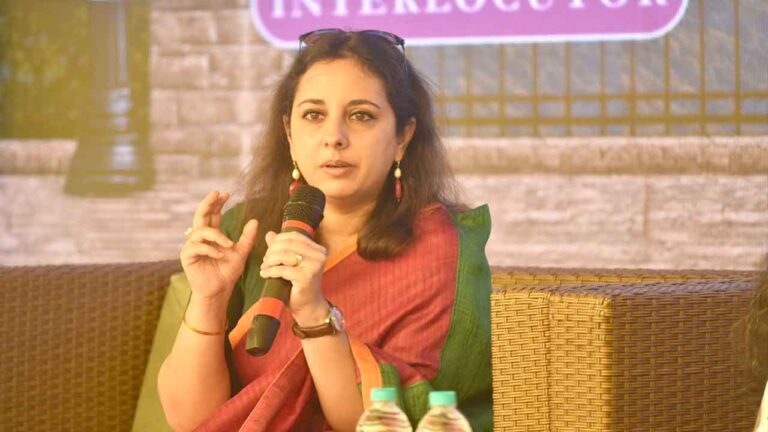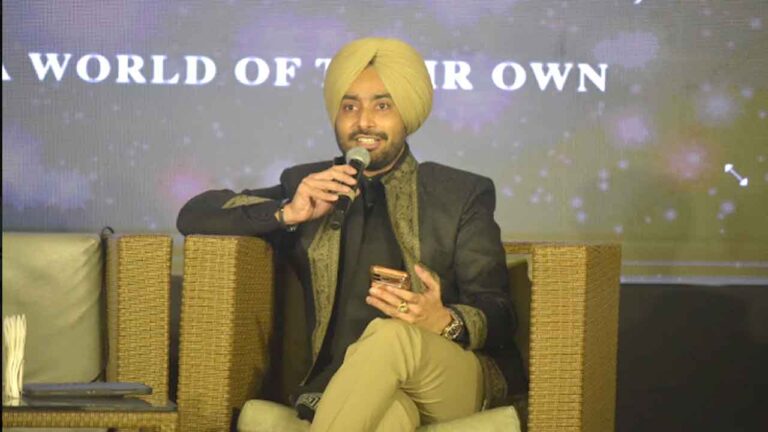

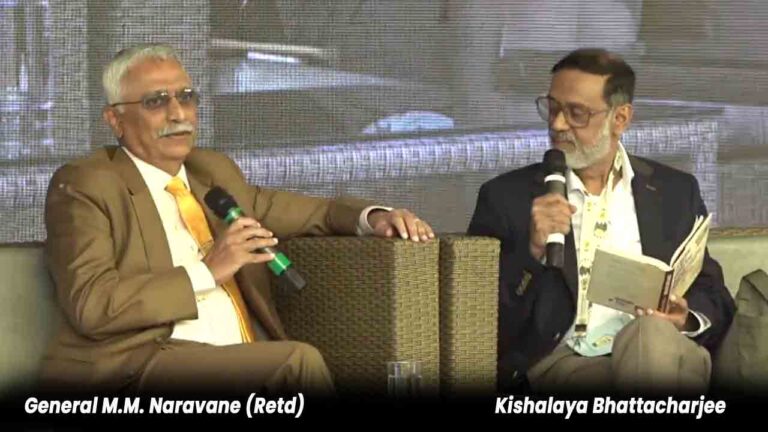
Kasauli: Former Army chief General Manoj Naravane (Retd) defended the Armed Forces Special Powers Act (AFSPA) during a session titled “Military Myths and Mysteries” on the second day of the Khushwant Singh Lit Fest 2026 in Kasauli. In a conversation with senior journalist Kishalay Bhattacharjee, he said the law was widely misunderstood and argued that the focus should be on improving conditions in affected areas rather than demanding its removal.
‘Do Not Put the Cart Before the Horse’
Explaining how AFSPA works, General Naravane said the Army is called in when a situation in an area goes beyond the control of the state administration or local police. The area is then declared disturbed, allowing the Army to be deployed. He said the Army does not naturally possess police powers. Parliament therefore provides the necessary legal authority through legislation to enable the force to perform its duties.
“Improve the situation, and there will be no need for the Army. Why are we doing it the other way around?” he said. Naravane argued that legal authority was necessary for the Army to carry out certain operations. Stopping someone on the road without legal backing could amount to abduction, while searching a vehicle also requires a legal basis. He said AFSPA provides that authority.
‘AFSPA Does Not Give Anyone a Licence to Commit Crimes’
The former Army chief stressed that AFSPA does not give anyone immunity to commit crimes and that the Army, too, must follow the laws of the country. He questioned whether the entire police force was disbanded whenever a death occurred in police custody, arguing that the same principle should apply when discussing AFSPA.
Referring to the Northeast, Naravane said demands to withdraw AFSPA often emerge whenever an incident occurs. He maintained that resolving the situation should be the priority. He said soldiers had no particular desire to stand in the rain at 2 am checking vehicles. The Army, he added, would prefer to remain in its barracks and focus on its primary responsibility of fighting the enemy.


Debate Over Allegations of Excessive Force
During the discussion, Bhattacharjee raised allegations of disproportionate use of force and excesses by the Army. Naravane clarified that he had not used the word “excesses”, although he acknowledged that such incidents could occur. Bhattacharjee responded that documentary evidence of such incidents existed.
Naravane acknowledged that conditions had improved considerably compared with the early years. He said the Army now relied on precise intelligence to carry out operations instead of conducting large-scale search operations, helping reduce inconvenience to ordinary villagers.
Recounting the instructions given by his former commanders, Naravane said his General Officer Commanding (Kilo Force) had made it clear that any local militant willing to surrender should be treated as a “misguided youth”. Keeping such individuals alive, he said, was the Army’s responsibility.
He also cited General Hooda, who, upon taking command in Manipur, had instructed his soldiers that he did not want to see casualty figures in double digits.
Focus on the Future Rather Than the Past
Bhattacharjee also asked whether the Army and the government should apologise to people in areas where residents felt isolated or treated as outsiders. Naravane said considerable time had passed since those earlier experiences. He recalled that villagers once hid inside their homes with their children when they saw Army patrols. The situation had since changed, he said, with people now coming forward to meet soldiers because they recognised the Army as their own.
He argued that the focus should be on positive efforts being made in the present rather than remaining stuck in the past. The session also referred to a remark by Khushwant Singh that the Army was repeatedly called into civilian areas. Naravane acknowledged that such deployments could divert the force from its primary responsibilities.
He emphasised that protecting the country’s borders was the Army’s main duty, while assisting the civilian administration was a secondary responsibility. Naravane clarified that such assistance follows a formal process involving a request from the Ministry of Home Affairs to the Ministry of Defence and the concerned Army unit. The Army, he said, does not intervene in local law and order on its own.