
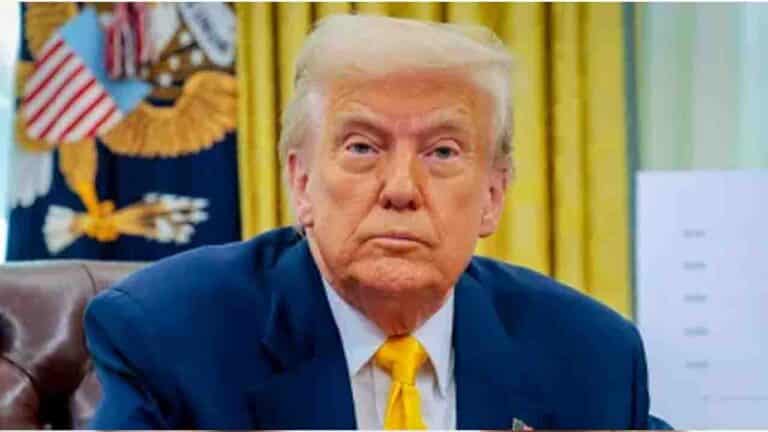
Trump Tariffs Illegal: A federal trade court in New York has blocked President Donald Trump’s 10% global tariff, calling it illegal and beyond the administration’s legal authority. The three-judge bench delivered a 2-1 decision, stating that the power to impose taxes and tariffs rests with Congress, not the executive branch .
The ruling targets temporary tariffs introduced in February under Section 122 of the 1974 Trade Act. These duties were meant to last until July 24. However, the court found that this provision does not grant the president the authority to levy such broad import taxes .
Why the Court Blocked the Tariff
The court emphasized that the US Constitution vests the power to tax in Congress. By imposing the 10% tariff without clear statutory authorization, the Trump administration overstepped its legal boundaries. “The law used does not give the president this power,” the judgment stated .
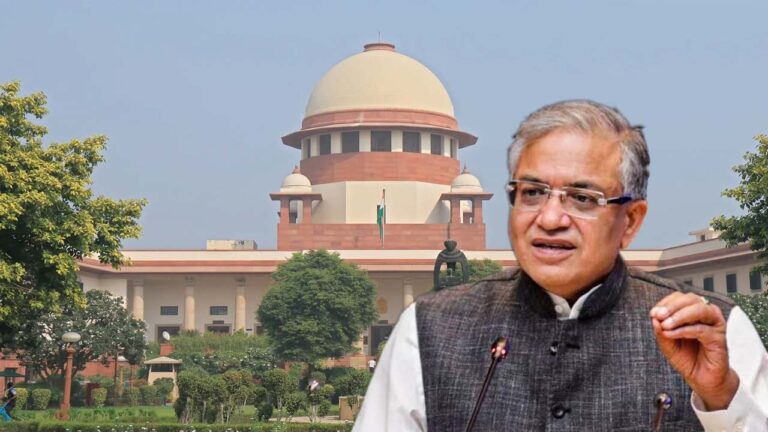
This is not the first legal setback for Trump’s tariff policy. Last year, the US Supreme Court struck down nearly all double-digit tariffs imposed on most countries. In response, the Trump administration introduced this narrower 10% global duty .
Small Businesses Led the Challenge
The case was filed by two small companies-Basic Fun, a toy maker, and Burlap & Barrel, a spice importer-along with the state of Washington. They argued the tariffs severely hurt their operations.



Jay Foreman, CEO of Basic Fun, said his company has already paid more than $100,000 in tariffs. “This burden is unsustainable for small businesses,” he told the court .
The decision currently applies only to the plaintiffs, but it raises hopes for broader relief among other affected businesses across the country .
What Happens Next?
The Trump administration is expected to appeal the ruling. The case will first move to the US Court of Appeals and could eventually reach the Supreme Court. Legal experts say the constitutional question at the core-whether the president can impose tariffs without Congress’s explicit approval-makes this a high-stakes battle .
While the appeal process unfolds, the court’s stay offers immediate but limited relief. Small importers hope the precedent will pressure the government to reconsider its trade strategy .
Trump Administration Seeks New Trade Options
Despite this setback, the administration continues exploring other tariff avenues. The Office of the US Trade Representative is reviewing trade practices by China, the European Union, and Japan. It is also examining which countries fail to block goods made through forced labor .
This ongoing review signals that Trump’s trade hawkishness remains intact, even as his legal team defends the current tariff policy in court.