
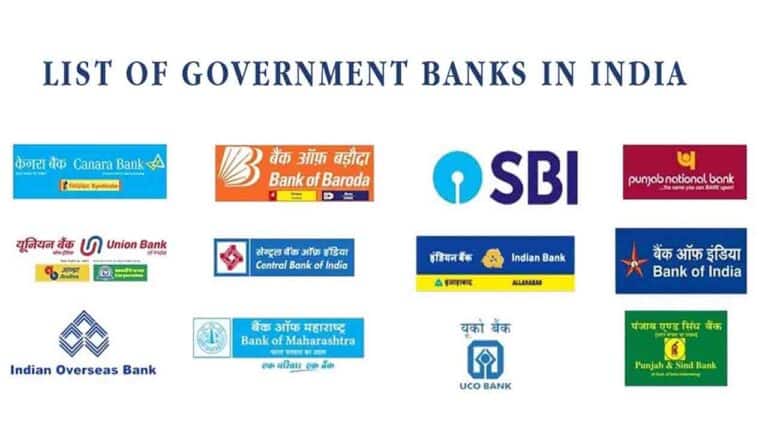
PSU Banks Record Profit: In a significant milestone for the Indian banking sector, 12 public sector banks (PSBs) have recorded a historic net profit of ₹1.98 lakh crore for the financial year 2025-26. According to an official statement released by the Ministry of Finance, this performance marks the fourth consecutive year of sustained profitability for state-owned lenders, underscoring a period of robust structural health.
The financial data reveals that the combined net profit of these banks grew by 11.12% on a year-on-year basis. This follows a successful trajectory from the previous fiscal year (2024-25), where profits stood at ₹1.78 lakh crore. The sector’s recovery is evident in its long-term growth curve, rising from ₹66,543 crore in FY 2022 to ₹1.04 lakh crore in FY 2023, and further to ₹1.41 lakh crore in FY 2024.
State Bank of India (SBI), the nation’s largest lender, emerged as the primary driver of this record-breaking performance. For the fiscal year ending 2026, SBI reported its highest-ever annual net profit of ₹80,032 crore. This reflects a substantial growth of 12.9% compared to the previous year, solidifying its role as the anchor of the Indian public sector banking landscape.
The rally extended beyond SBI to other major players in the industry. Bank of Baroda, the second-largest state-owned lender, reported a net profit of ₹20,021 crore for FY 2026. Following closely, Punjab National Bank (PNB) secured the third position among state banks, registering a net profit of ₹16,904 crore during the same period.
The Ministry of Finance noted that the performance in FY 2026 was characterized by steady business growth, improved asset quality, and strong capital positions. The ministry emphasized that this institutional strength has allowed public sector banks to effectively meet the credit demands of a rapidly expanding Indian economy, proving their resilience and enhanced capacity.



Total business for these banks surged by 12.8%, reaching a massive ₹283.3 lakh crore in FY 2026. This expansion was supported by a 10.6% increase in total deposits, amounting to ₹156.3 lakh crore, and a 15.7% rise in total advances (loans), which stood at ₹127 lakh crore. These figures indicate a healthy balance between liquidity and lending activities.
A key highlight of the fiscal year was the credit expansion across diverse sectors. Business loans in the retail, agriculture, and MSME (Micro, Small, and Medium Enterprises) segments saw significant growth. Specifically, retail credit grew by 18.1%, agricultural loans by 15.5%, and MSME credit by 18.2%. This growth reflects the critical role of PSBs in supporting entrepreneurship and strengthening financial inclusion.
Crucially, this business growth was accompanied by a marked improvement in asset quality. By March 2026, the Gross Non-Performing Asset (GNPA) ratio fell to 1.93%, while the Net Non-Performing Asset (NNPA) ratio dropped to 0.39%. These figures represent historically low levels of stressed assets, down from a GNPA of over 2% and an NNPA of over 0.5% in March 2025.
Additionally, the slippage ratio-the rate at which new loans turn into bad debt-continued to decline, reaching 0.7%. Total recoveries, including those from written-off assets, amounted to ₹86,971 crore. This success in recovery points toward improved credit discipline and more effective recovery mechanisms within the public sector banking framework.