
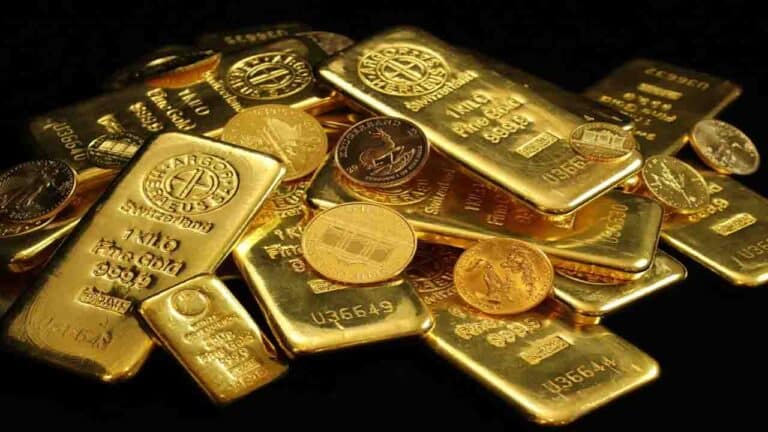
Gold Import Duty Hike: In a significant move to address mounting economic pressure, the Central Government on Wednesday announced a steep hike in the import duty for gold and silver. The total effective duty on these precious metals has been raised to 15%, a substantial jump from the previous rate of 6%. This decision comes at a time when the Indian economy is facing headwinds due to geopolitical tensions involving Iran and a widening trade deficit.
The new tax structure includes a 10% Basic Customs Duty paired with a 5% Agriculture Infrastructure and Development Cess (AIDC). According to government officials, the primary objective behind this aggressive fiscal measure is to discourage non-essential imports, reduce the outflow of foreign exchange, and provide much-needed support to the Indian Rupee.
Economic Pressure and the Rupee’s Decline
The timing of this hike is critical. The Indian Rupee recently plummeted to a record low, touching 95.75 against the US Dollar. This depreciation has increased the cost of imports across the board, prompting the Finance Ministry to take drastic steps to prevent further erosion of the country’s foreign exchange reserves. By making gold and silver more expensive, the government aims to narrow the trade gap that has been strained by high global commodity prices.
This policy shift follows a direct appeal by Prime Minister Narendra Modi. Just days ago, the Prime Minister urged citizens to refrain from purchasing gold for at least one year. He emphasized that in the current global economic climate, conserving foreign exchange is a national priority. Interestingly, despite recent reports suggesting no such hike was planned, the government opted for this decisive intervention to protect the domestic currency.
Impact on the World’s Second-Largest Gold Market
India holds a dominant position in the global bullion market as the world’s second-largest consumer of gold and the largest consumer of silver. Since the country relies almost entirely on imports to satisfy domestic demand, the duty hike is expected to lead to an immediate surge in local prices. This comes at a challenging time for consumers, as gold and silver rates were already hovering near record highs.



Market analysts suggest that the increased cost could dampen physical demand during the upcoming festive and wedding seasons. However, the government’s previous attempts to tighten the screws on imports have already shown results. After the implementation of a 3% IGST and a month-long pause in bank imports, gold imports in April hit their lowest level in nearly 30 years.
The Shift Toward Gold ETFs
While physical demand may face a slowdown, the investment landscape for gold is shifting rapidly. Data from the World Gold Council reveals that investors are increasingly moving toward paper gold. In the March quarter, investment in Indian Gold ETFs surged by 186%, reaching a record 20 metric tons.
This trend is largely attributed to lackluster returns in the equity markets and the sustained upward momentum of gold prices. For many Indian households, gold remains a preferred hedge against inflation and economic volatility, even as the government seeks to regulate its physical consumption to safeguard the broader economy.