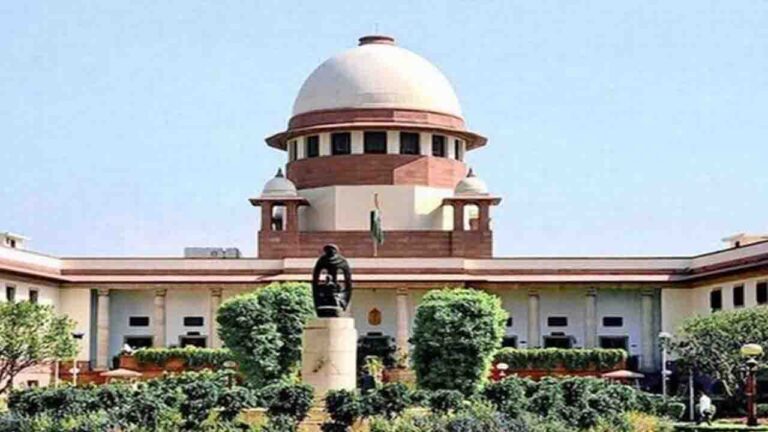

NEW DELHI: In a major interim relief to the Himachal Pradesh government and former administrative officers of Kullu, the Supreme Court has stayed the stringent directions issued by the Himachal Pradesh High Court regarding alleged illegal rave parties and unchecked substance abuse in the tourist hotspot of Kasol.
A bench hearing the matter clarified that no punitive or administrative action will be taken under the High Court’s contentious directions until the next hearing is concluded. The apex court also issued notices to all concerned parties in the case, seeking their formal responses.
The interim order comes on a petition filed by the Himachal Pradesh government and the affected officers challenging the High Court’s verdict.
Earlier, taking a stern view of growing drug use, illegal rave parties in the Parvati Valley and Kasol belt, and alleged administrative laxity, the Himachal Pradesh High Court had severely reprimanded the local authorities. The High Court had orally remarked that the district administration had completely failed to maintain law and order and curb illegal activities in the region.
Following its sharp observations, the High Court had ordered the state government to immediately transfer the then Kullu District Magistrate, Superintendent of Police, and the concerned Sub-Divisional Magistrate. It had further directed the registration of an FIR against them, the initiation of a criminal investigation, the formation of an independent Special Investigation Team headed by a DIG-level officer, and departmental disciplinary proceedings.



Challenging these unprecedented directives, the state government and the officers approached the Supreme Court. The petition argued that the legal aspects and jurisdictional reach of the High Court’s order required detailed judicial review. Accepting the preliminary arguments, the Supreme Court held that the matter required a detailed hearing and accordingly put the execution of the High Court order on hold till then.
The stay brings significant temporary relief to the state government and the three senior officers. The High Court’s instructions will remain non-operational until the Supreme Court takes a final decision after reviewing the replies and legal arguments from all parties involved.