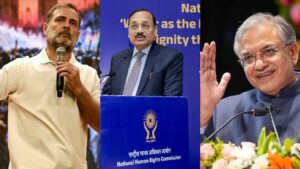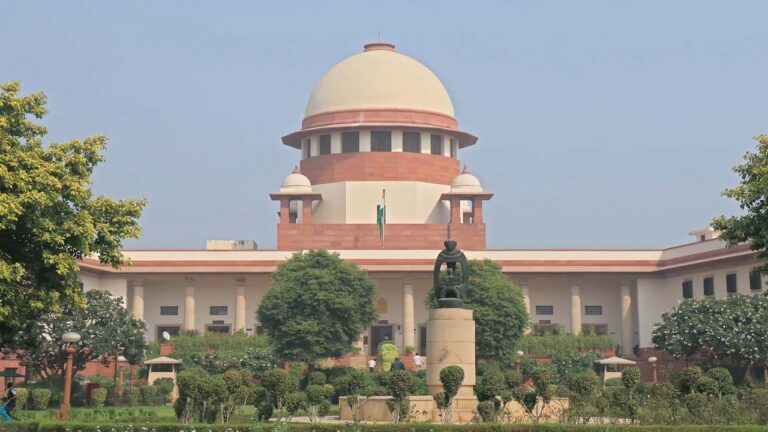




NEW DELHI: CJI Surya Kant has declined a request by Opposition leaders for a meeting on Monday, citing judicial propriety and extensive reasons why such an interaction would be inappropriate under the present circumstances.
According to a report in Hindustan Times, People aware of the matter said key reasons cited for the refusal include the pendency of related matters before the Supreme Court in its judicial capacity, as well as the CJI’s own adjudicatory role in petitions concerning these issues. The decision comes as a setback to the Opposition’s plans to seek judicial intervention over police action on a youth-led protest in Delhi and alleged electoral irregularities.
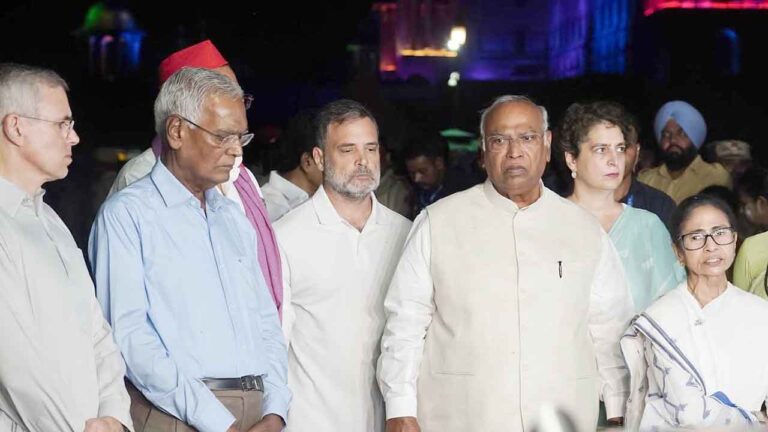
The decision was made hours after Congress president Mallikarjun Kharge and Leader of Opposition in the Lok Sabha Rahul Gandhi announced they had sought time between 4 pm and 5 pm on Monday. Kharge said he and Gandhi had written to the CJI to appraise him of concerns regarding constitutional institutions.
Speaking to reporters in Bengaluru on Sunday, Kharge said the delegation planned to place its concerns before the CJI “with folded hands” while acknowledging they could not make demands of the head of the judiciary. The proposed meeting had not been confirmed by the CJI’s office when the Opposition announced its plans.
The Opposition intended to raise several matters, including police action against protesters demanding the resignation of Chief Election Commissioner Gyanesh Kumar, the expeditious hearing of cases concerning the special intensive revision (SIR) of electoral rolls, and the composition of the Election Commission appointment committee.
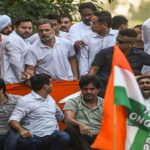
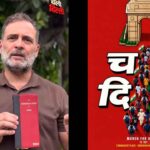
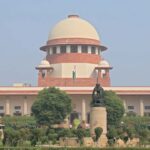
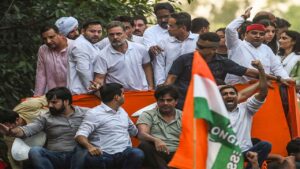
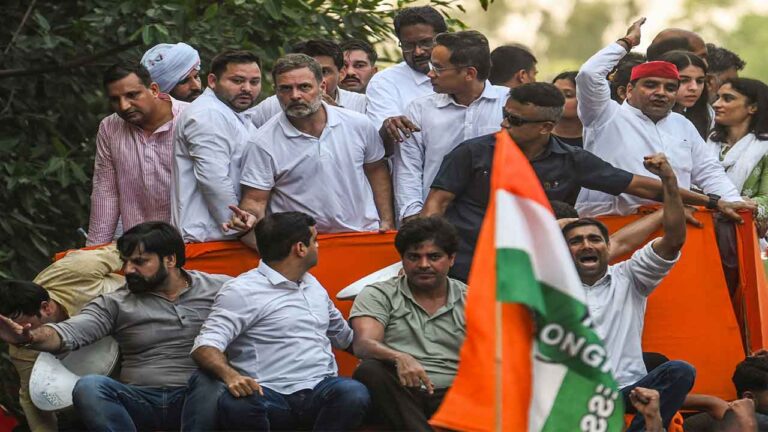
The CJI’s refusal comes amid four days of Opposition demonstrations in Delhi, including protests near the Election Commission of India (ECI), a sit-in at Rajghat, and an attempt to march to the poll panel’s office. Opposition leaders had also met President Droupadi Murmu over ECI operations.
Accusing the Narendra Modi-led government of creating an “undeclared Emergency,” Kharge alleged that heavy police deployment and the detention of protesters reflected an attempt to suppress dissent. He stated that the Opposition would continue its fight to protect democracy and constitutional rights.
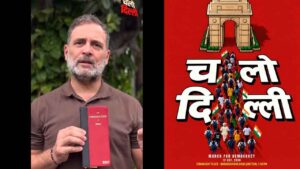
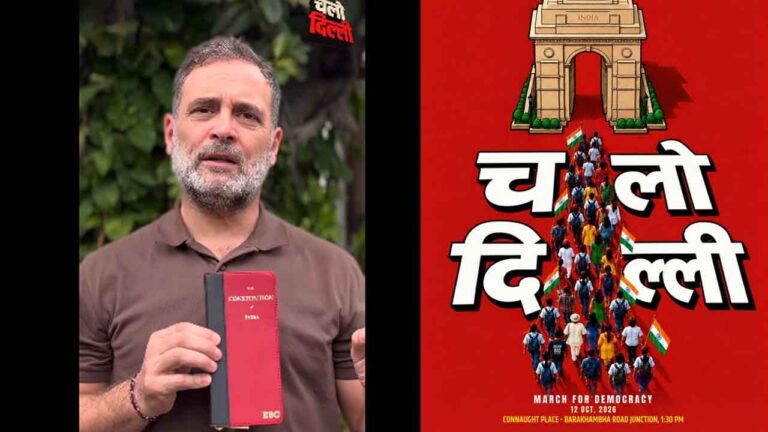
Separately, Rahul Gandhi had announced a march to the Supreme Court on Monday, inviting Opposition parties, young people, and civil society groups to join. Gandhi alleged that youth attending a peaceful demonstration on Saturday were beaten by police and BJP supporters.
Gandhi stated the march would end with the submission of a memorandum to the CJI, demanding an end to alleged “vote chori,” the halting of SIR, and the removal of Gyanesh Kumar. He also accused the government of attempting to intimidate those questioning electoral processes. Former Chhattisgarh chief minister Bhupesh Baghel said Congress MPs, MLAs, and district presidents would travel to Delhi for the march, alleging public mandates were stolen through EVM manipulation and voter list deletions.
The demand to re-include the CJI in the selection committee for election commissioners stems from a challenge to the 2023 appointment law. The current law establishes a committee consisting of the Prime Minister, the Leader of Opposition in the Lok Sabha, and a nominated Union Cabinet minister. On September 23, a Supreme Court bench of Justices Dipankar Datta and Satish Chandra Sharma delivered a split verdict on whether this challenge should be referred to a five-judge Constitution bench.
Meanwhile, the ECI and the BJP have rejected allegations of voter list manipulation, stating that deletions occur due to deaths, migration, and untraceable voters. Opposition parties have shown a mixed response regarding the role of the youth-led Cockroach Janata Party (CJP), whose supporters were central to recent protests, with the Congress remaining cautious about its participation in the planned march.