
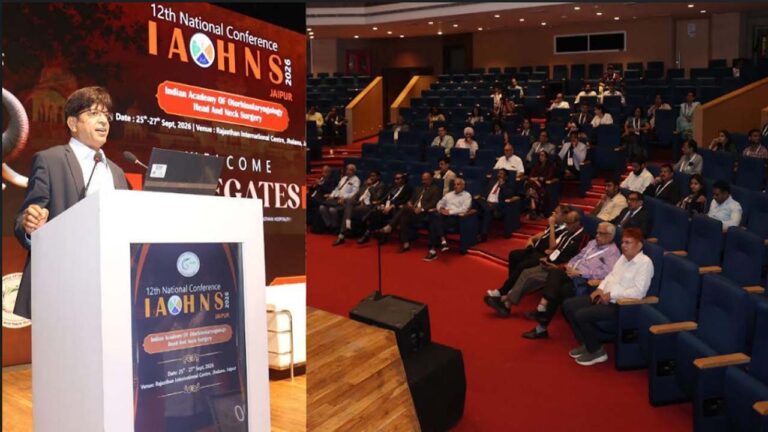
Jaipur: The future of ear, nose and throat (ENT) care in India is expected to focus not only on treating diseases but also on early detection, prevention and personalised treatment based on patients’ needs.
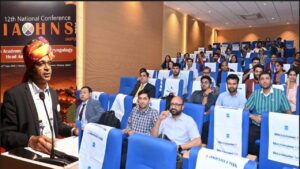
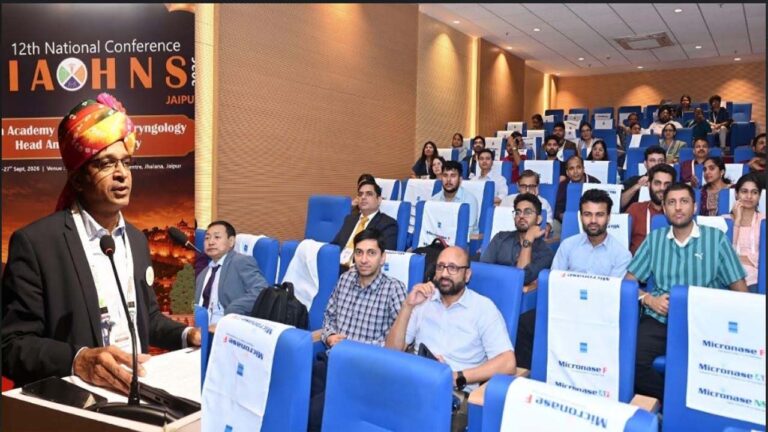
Speaking during a technical session at the 12th conference of the Indian Academy of Otolaryngology and Head-Neck Surgery (IAOHNS) on Saturday, ENT surgeon Dr Anubhuti Dhanuka said artificial intelligence, digital diagnostics, tele-ENT and minimally invasive techniques could play an important role in making patient care more accessible and technology-driven in the coming years.
Dr Dhanuka said AI could support endoscopy, imaging and voice analysis, helping ENT surgeons identify subtle disease-related changes at an earlier stage.
In laryngology, digital voice analysis, stroboscopy and AI-assisted diagnostics could make objective voice assessment more accessible beyond major cities, she said.
She said the burden of allergic rhinitis, chronic sinusitis, hearing loss and sleep-disordered breathing in India could increase the demand for multidisciplinary ENT care in the coming years.



With advances in technology and indigenous innovation, cochlear implants and newer generations of hearing technology could also reach more people, she said.
Dr Dhanuka said paediatric airway care and sleep medicine could become important areas, particularly with increasing awareness about obstructive sleep apnoea and airway disorders among children.
The growing use of office-based procedures, lasers and minimally invasive interventions could also lead to a shift in some ENT treatments from operation theatres to office-based settings, she said.
Tele-ENT and remote diagnostics were also highlighted as important areas for the future. According to Dr Dhanuka, these technologies could help reduce the gap in access to specialist services between metropolitan cities and smaller towns and create new avenues for providing expert advice to patients in areas with limited availability of ENT specialists. 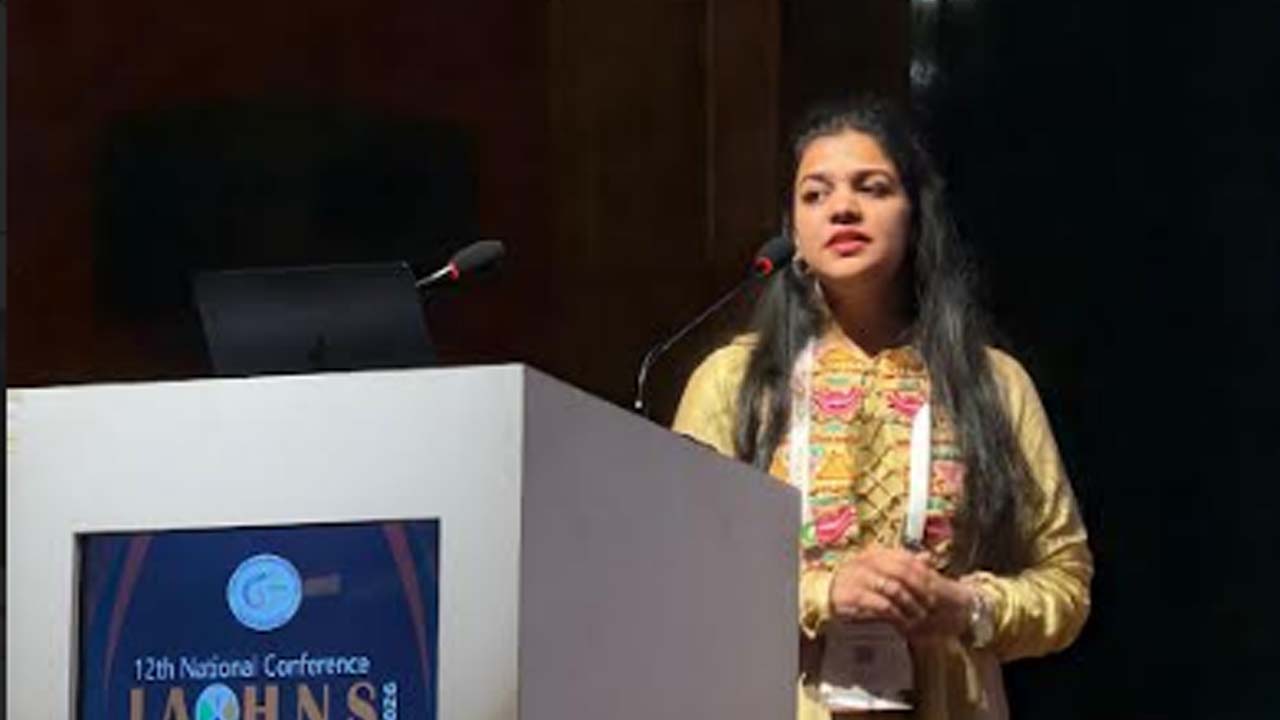
Emphasising the central role of doctors in this transition, Dr Dhanuka said technology could not replace surgeons. She said the future would belong to ENT specialists who combine surgical skills with data, AI and multidisciplinary decision-making.
She said the next decade of Indian ENT medicine would be defined not merely by better machines, but by smarter, earlier and more accessible patient care.
Discussion on gaps in PG training
The conference also included a discussion on areas where postgraduate training is falling short. Doctors undergoing postgraduate training shared their experiences during the session, which was moderated by Dr Amit Goyal of AIIMS Jodhpur.
Dr Prahlad Duggal of Amritsar, who moderated a session, said improving quality of life after treatment for head and neck cancer involves more than physical recovery. Patients may face challenges such as difficulty swallowing, speaking and neck stiffness after surgery or radiation.
He said speech therapy, physiotherapy and a nutritious soft diet can play an important role in recovery.
Dr Duggal also stressed the importance of drinking small amounts of water throughout the day to address dryness caused by reduced saliva and maintaining oral hygiene.
He said patients should also focus on their mental health while accepting physical changes. Family support, meditation and counselling can help restore confidence, he said.
More than 30 technical sessions held
Dr Pawan Singhal, senior professor in the ENT department at SMS Hospital and scientific chairman of the conference, said several ENT-related sessions were organised on the second day of the conference.
The sessions covered topics including life for deaf children, tumours of blood vessels, cancer stages, postgraduate education in medical science, the role of ENT in skull-base conditions, dizziness and sleep apnoea.
More than 30 sessions were also organised on topics including poster sessions, thesis competitions, thyroid cancer staging, surgical management, oral cancer surgery and robotic surgery.