



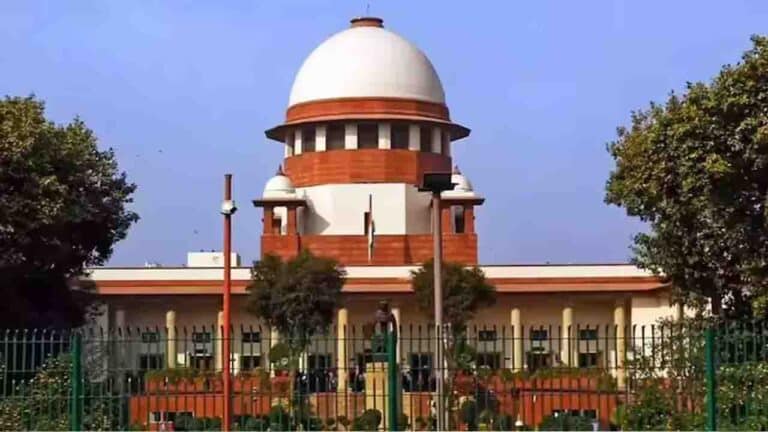

NEW DELHI: The Supreme Court of India has delivered a significant judgment regarding the disbursement of Dearness Allowance (DA) and Dearness Relief (DR). A bench comprising Justice Manoj Misra and Justice Prasanna B. Varale clarified that state governments cannot discriminate between serving employees and pensioners while increasing inflation-linked allowances.
The apex court dismissed appeals filed by the Kerala Government and the Kerala State Road Transport Corporation (KSRTC). By doing so, the bench upheld the right to equality for retired individuals, maintaining that the impact of inflation does not distinguish between those in active service and those who have retired.
The legal dispute arose after the state provided a 14% increase to employees while limiting pensioners to an 11% hike. The Court ruled that such a disparity constitutes a violation of Article 14 of the Constitution. It emphasized that both DA and DR serve the identical purpose of mitigating the rising cost of living.
“There is no dispute that inflation affects both serving and retired employees equally,” the Court remarked during the proceedings. The bench noted that while employees and pensioners may represent two distinct categories, such a classification becomes irrelevant when addressing the economic impact of inflation.
In its defense, the KSRTC cited a precarious financial position as the reason for the lower hike offered to retirees. However, the Supreme Court rejected this justification. The bench stated that while financial constraints might explain a delay in payments, they cannot justify providing reduced benefits to one group over another.



This verdict upholds an earlier decision by a division bench of the Kerala High Court which had ruled in favor of the pensioners. The Supreme Court further observed that in a welfare state, the interests of retired citizens cannot be ignored or sidelined by the administration.
Legal experts suggest this ruling will act as a safeguard for millions of government pensioners across the country. It establishes a clear precedent that state governments must maintain parity between salary revisions and pension adjustments during future inflationary corrections.