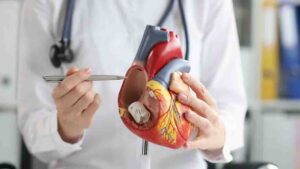
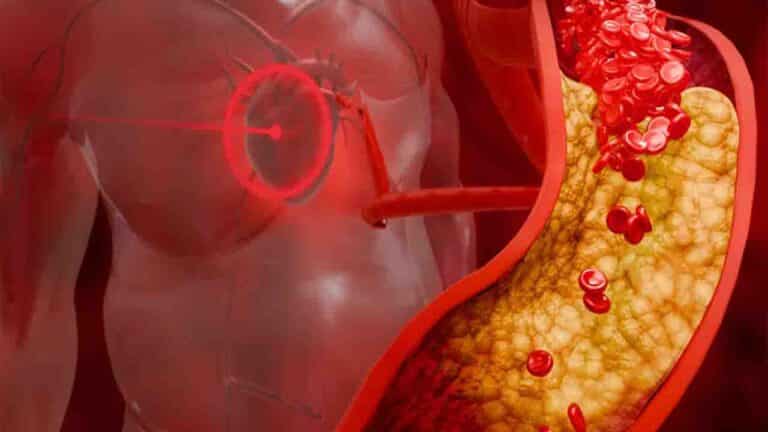

High Cholesterol Symptoms: In today’s fast-paced world, our busy routines and changing food habits have led to several health issues. One of the most concerning problems is the rise of “bad” cholesterol (LDL). Most of the time, this happens because we eat too much oily or junk food, don’t move around enough, and deal with constant stress. The scariest part is that high cholesterol doesn’t usually show obvious signs early on, so many people don’t even realize they have a problem until it becomes serious.
Because it develops quietly, doctors often call it a “silent threat.” If left unchecked, it can lead to severe issues like heart attacks or strokes. Being aware of how your body feels is the first step toward staying safe.
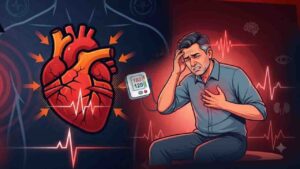
One common sign is feeling tired all the time. If you feel exhausted or weak even without doing much physical work, it might be because poor blood circulation is making your body work harder. You might also notice a slight tightness or pressure in your chest. This isn’t something to ignore, as it’s often a signal that your heart is under a lot of strain.
Another red flag is getting out of breath easily. If a short walk or a few flights of stairs leave you gasping, it could mean that cholesterol buildup is making it harder for oxygen to travel through your bloodstream. Some people also experience a tingling sensation or numbness in their hands and feet, which happens when blood isn’t flowing freely to your limbs. You might even see physical changes, like small yellowish bumps or patches around your eyes or elbows, which are actually tiny deposits of fat.
The good news is that managing cholesterol is mostly about making better daily choices. Swapping fried and processed snacks for fresh fruits and vegetables can make a huge difference. Adding just 30 minutes of walking or exercise to your day, keeping an eye on your weight, and cutting back on smoking or alcohol are also key steps. Most importantly, getting regular blood tests is the best way to keep track of your levels and catch any issues before they turn into a crisis.