
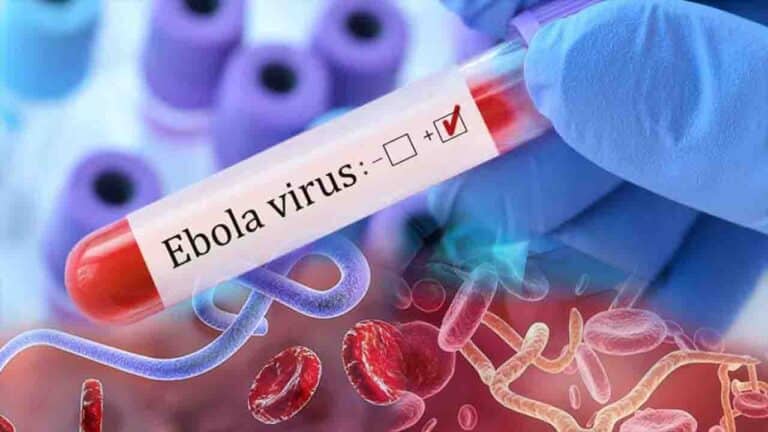
NEW DELHI: Learning from the delays during the 2020 COVID-19 outbreak, the Government of India has swung into immediate action following the World Health Organization’s (WHO) decision to declare the Ebola outbreak in African nations a global health emergency. The Union Health Ministry has issued a strict travel advisory and stepped up vigilance across the country’s entry points.
Non-Essential Travel Banned to Three Countries
The government has strictly advised Indian citizens to completely avoid non-essential travel to three prominent African nations until the situation is brought under control:
- Democratic Republic of the Congo (DRC)
- Uganda
- South Sudan
Why is the New Ebola Strain Dangerous?
According to the WHO and the Health Ministry, the current outbreak is driven by the highly dangerous ‘Bundibugyo’ strain of the Ebola virus. It causes a severe viral hemorrhagic fever with a very high mortality rate. Making matters worse, there is currently no approved vaccine or definitive cure available globally for this specific strain.
Officials clarified that no case of this new Ebola virus has been reported in India so far. The government’s swift response is entirely precautionary, aimed at blocking the virus at the borders.
High Alert at Airports and Border Entry Points
Following recommendations from the WHO Emergency Committee, India has significantly tightened surveillance and screening at all airports and seaports. Instructions have been issued to immediately track and isolate any traveler returning from the affected regions who exhibits symptoms like fever.



Meanwhile, Indian citizens currently residing in these affected countries have been advised to strictly adhere to guidelines issued by local authorities and take all possible precautions.
Ebola Virus Disease: Types, Symptoms, Transmission, and Available Treatments
Ebola is a severe, life-threatening viral hemorrhagic fever caused by the Orthoebolavirus. The viral infection damages blood vessels and typically begins with flu-like symptoms. However, these initial signs can rapidly progress into severe vomiting, diarrhea, and internal or external bleeding (hemorrhage).
Though Ebola is a rare disease, outbreaks have occurred regularly since experts first identified the virus in 1976 in Zaire (now the Democratic Republic of the Congo). The largest outbreak recorded took place between 2013 and 2016, resulting in 28,652 cases and 11,325 deaths across 10 countries.
Anyone who suspects they have been exposed to Ebola and is exhibiting symptoms must seek immediate medical attention or visit an emergency room.
Types of Ebola Virus
Four distinct strains of the virus affect humans. Experts name these strains after the locations where they were first identified, though subsequent outbreaks may occur elsewhere. The types vary in severity and their ability to cause symptoms:
Bundibugyo ebolavirus (Bundibugyo virus): Causes Bundibugyo virus disease (BDBV). It has a lower mortality rate compared to other strains.
Sudan ebolavirus (Sudan virus): Causes Sudan virus disease (SVD) and carries a higher fatality risk.
Taï Forest ebolavirus (Taï Forest virus): Causes Taï Forest virus disease (TAFV). This is the rarest cause of Ebola.
Zaire ebolavirus (Ebola virus): Causes Ebola virus disease (EVD). It is the most common cause of Ebola outbreaks and fatalities.
Symptoms and Progression
While all types of Ebola present similar symptoms, the disease progresses through distinct stages. Symptoms can appear anywhere from two days to three weeks after initial infection.
Early Stages (Flu-like symptoms):
- Fever and chills
- Severe headache
- Muscle pain and sore throat
- Extreme fatigue and weakness
- Loss of appetite
Severe Stages (Developing after a few days):
- Severe vomiting (which may contain blood or look like coffee grounds)
- Diarrhea (which may contain blood)
- Bleeding or easy bruising
- Black, tarry stools (melena)
- Red or bloodshot eyes
- Rashes or blood spots under the skin (petechiae or purpura)
- Confusion
Advanced Stages:
- Brain inflammation (encephalitis)
- Organ failure
- Seizures
- Shock (inadequate blood flow through the body)
Causes and Transmission
Ebola outbreaks originate in West, Central, and East African countries. The virus originates in specific wildlife, including:
- Fruit bats
- Antelopes
- Non-human primates (monkeys and apes)
All strains of the virus spread through the same transmission routes.
How the Virus Spreads
The virus spreads to humans through a spillover event from infected animals, or between humans via direct contact with infected bodily fluids. These fluids include:
- Blood, sweat, and saliva
- Urine and feces
- Semen and breast milk
- Amniotic fluid
Contracting the virus is also possible by touching surfaces, objects, or medical equipment contaminated with Ebola, or by consuming the meat of infected animals.
Sexual Transmission
Ebola can be transmitted sexually through the semen of an infected individual. This includes anal, oral, and vaginal sex. Currently, there is no evidence indicating that Ebola can spread through the vaginal fluids of an infected person.
Airborne Risk
The probability of airborne transmission of Ebola is extremely low. Airborne infections rely on small respiratory droplets that linger in the air through coughing, heavy breathing, laughing, or sneezing.
Who is at Highest Risk?
People in close contact with an infected individual-primarily healthcare workers and family members-face the highest risk. When interacting with an infected person, it is critical to use proper Personal Protective Equipment (PPE), including eye protection, face shields, and masks.